Medieval and Manuscripts
British and Irish stained glass (1811–1918)
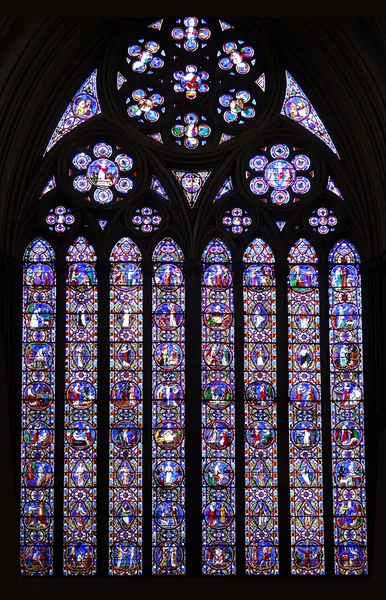
A revival of the art and craft of stained-glass window manufacture took place in early 19th-century Britain, beginning with an armorial window created by Thomas Willement in 1811–12. The revival led to stained-glass windows becoming such a common and popular form of coloured pictorial representation that many thousands of people, most of whom would never commission or purchase a painting, contributed to the commission and purchase of stained-glass windows for their parish church. Within 50 years of the beginnings of commercial manufacture in the 1830s, British stained glass grew into an enormous and specialised industry, with important centres in Newcastle upon Tyne, Birmingham, Whitechapel in London, Edinburgh, Glasgow, Liverpool, Norwich and Dublin. The industry also flourished in the United States, Canada, Australia and New Zealand. By 1900 British windows had been installed in Copenhagen, Venice, Athens, Bangalore, Nagasaki, Manila and Wellington. After the Great War from 1914 to 1918, stained glass design was to change radically.
Also on this shelf
Church of the Incarnation, Episcopal (Manhattan).
List of places of worship in Lewes District.
See also
Uncatalogued shelfText from Wikipedia; plate via Wikimedia Commons. Text CC BY-SA 4.0; plate freely licensed (see Commons). Source record. Images and catalogue data are reproduced from open-access collections.