Medieval and Manuscripts
Byzantine mints
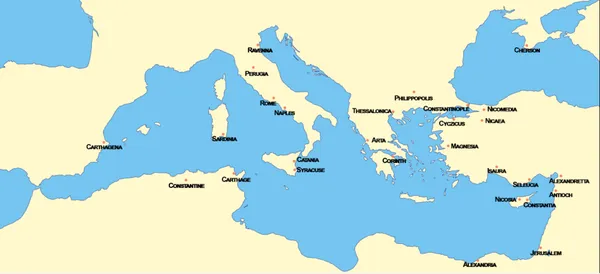
The East Roman or Byzantine Empire established and operated several mints throughout its history (330–1453). Aside from the main metropolitan mint in the capital, Constantinople, a varying number of provincial mints were also established in other urban centres, especially during the 6th century. Most provincial mints except for Syracuse were closed or lost to invasions by the mid-7th century. After the loss of Syracuse in 878, Constantinople became the sole mint for gold and silver coinage until the late 11th century, when major provincial mints began to re-appear. Many mints, both imperial and, as the Byzantine world fragmented, belonging to autonomous local rulers, were operated in the 12th to 14th centuries. Constantinople and Trebizond, the seat of the independent Empire of Trebizond (1204–1461), survived until their conquest by the Ottoman Turks in the mid-15th century.
Also on this shelf
Collegiate Church of St Mary, Warwick.
Buddhist meditation.
See also
Uncatalogued shelfText from Wikipedia; plate via Wikimedia Commons. Text CC BY-SA 4.0; plate freely licensed (see Commons). Source record. Images and catalogue data are reproduced from open-access collections.