Medieval and Manuscripts
Byzantine units of measurement
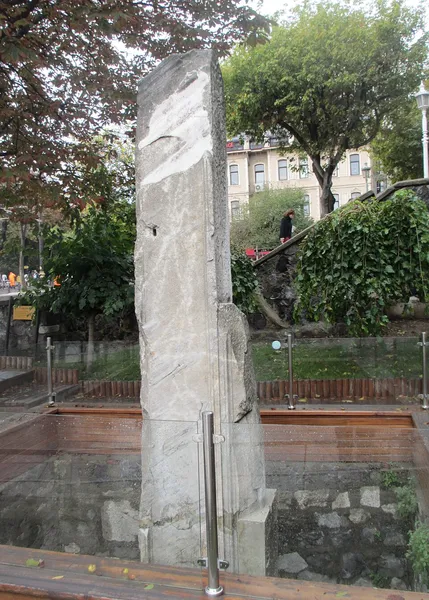
Byzantine units of measurement were a combination and modification of the ancient Greek and Roman units of measurement used in the Byzantine Empire. Until the reign of Justinian I (527–565), no universal system of units of measurement existed in the Byzantine world, and each region used its traditional measures. Justinian began the process of standardization that resulted in a specifically Byzantine system, chiefly due to the need of such a system for the fiscal administration. Official measurement and weighing was performed subject to an array of charges including the mestikon, miniatikon, zygastikon, kambaniatikon, gomariatikon, and samariatikon. Despite the central government's insistence on the use of official measures, other systems continued to be used in parallel, whether due to local traditions or foreign influences, or in order to cover the necessities of specific trades or crafts. In addition, from the 12th century, foreign merchants such as the Venetians, Pisans, and Genovese operating within the Empire received the right to use their own systems.
Also on this shelf
Diocese of Agder og Telemark.
First Council of Nicaea.
See also
Uncatalogued shelfText from Wikipedia; plate via Wikimedia Commons. Text CC BY-SA 4.0; plate freely licensed (see Commons). Source record. Images and catalogue data are reproduced from open-access collections.