Medieval and Manuscripts
Cultural imperialism
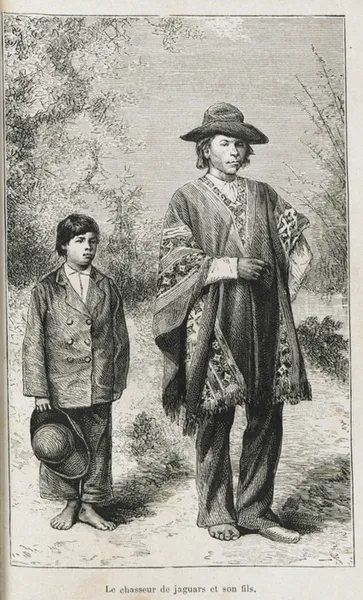
Cultural imperialism (also cultural colonialism) is the imposition by a dominant group of its own culture onto another community. As a mode of imperialism, it uses cultural practices to enforce a way of life, systematically attempting to transform or erase aspects of the subordinate culture. Cultural imperialism endeavours to create and maintain unequal social and economic relationships among social groups. Imperialists may use wealth, media power, and violence to establish cultural hegemony. Cultural imperialism may take various forms, such as an attitude, a formal policy, or military action—insofar as each of these reinforces the empire's cultural hegemony. Research on the topic occurs in scholarly disciplines, and is especially prevalent in communication and media studies, education, foreign policy, history, international relations, linguistics, literature, post-colonialism, science, sociology, social theory, environmentalism, and sports. Cultural imperialism may be distinguished from the natural process of cultural diffusion. The spread of culture around the world is referred to as cultural globalization.
Also on this shelf
Ethiopian Orthodox Tewahedo Church.
Church of the Sacred Heart, Hove.
See also
Uncatalogued shelfText from Wikipedia; plate via Wikimedia Commons. Text CC BY-SA 4.0; plate freely licensed (see Commons). Source record. Images and catalogue data are reproduced from open-access collections.