Medieval and Manuscripts
History of flags
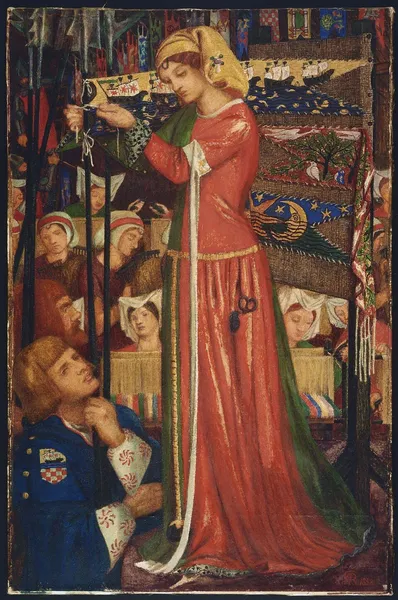
A flag is a distinctive piece of fabric used as a symbol, a signalling device, or for decoration. While the origin of flags is unknown, flag-like symbols have been described as far back as 11th-century BC China and have been used by other ancient civilisations such as Egypt and Rome. During the Medieval period, silk from China allowed a variety of peoples, such as the Arabs and the Norse, to develop flags which flew from poles. Developments in heraldry led to the creation of personal heraldic banners for rulers and other important people in the European kingdoms. Flags began to be regularly used on board ships for identification and communication in the Age of Sail. In the 18th century and onwards, a rising tide of nationalism around the world meant that common people began to regularly identify themselves with nation-states and their symbols, including flags. In the modern day, every national entity and many sub-national entities employ flags for identification.
Also on this shelf
Droungarios of the Fleet.
Church of the Transfiguration, Episcopal (Manhattan).
See also
Uncatalogued shelfText from Wikipedia; plate via Wikimedia Commons. Text CC BY-SA 4.0; plate freely licensed (see Commons). Source record. Images and catalogue data are reproduced from open-access collections.