Medieval and Manuscripts
Cistercian architecture
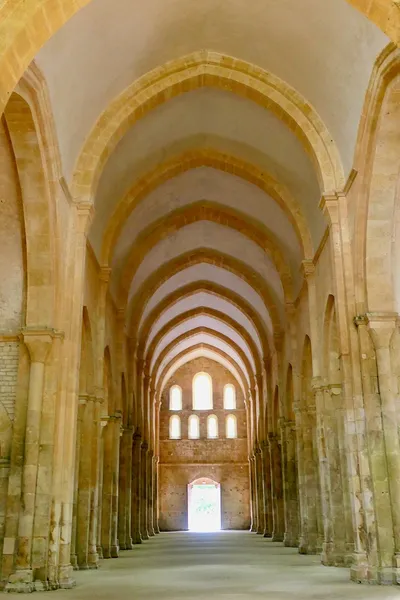
Cistercian architecture is a style of architecture associated with the churches, monasteries and abbeys of the Roman Catholic Cistercian Order. It was heavily influenced by Bernard of Clairvaux (d. 1153), who believed that churches should avoid superfluous ornamentation so as not to distract from prayer. Although a few images of religious subjects were allowed, such as the crucifix, elaborate figures common in medieval churches were prohibited. Later abbeys were constructed in Renaissance and Baroque styles, which were more ornate by nature. Most of the famous Cistercian abbeys were begun in the 12th and 13th centuries and were located in remote valleys. They begin at the end of the period when Romanesque architecture dominated, and continued into the period of Gothic architecture. Their strong, largely unadorned, forms have often survived relatively intact compared to more ornamented versions of these styles, which have suffered from later iconoclasm.
Also on this shelf
Ballantine and Gardiner.
Christ Pantocrator (Sinai).
See also
Uncatalogued shelfText from Wikipedia; plate via Wikimedia Commons. Text CC BY-SA 4.0; plate freely licensed (see Commons). Source record. Images and catalogue data are reproduced from open-access collections.