Medieval and Manuscripts
Christian ethics
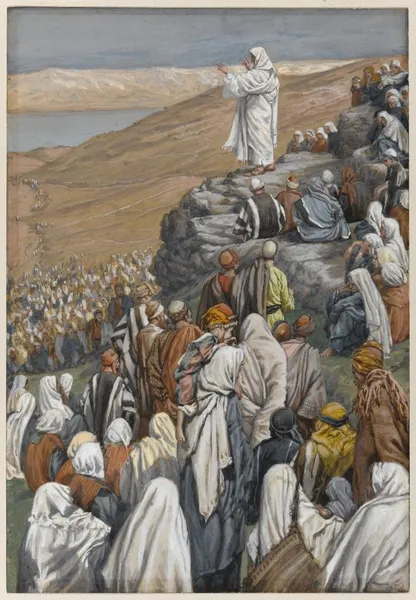
Christian ethics, also known as moral theology, is a multi-faceted ethical system. It is a virtue ethic, which focuses on building moral character, and a deontological ethic which emphasizes duty according to the Christian perspective. It also incorporates natural law ethics, which is built on the belief that it is the very nature of humans – created in the image of God and capable of morality, cooperation, rationality, discernment and so on – that informs how life should be lived, and that awareness of sin does not require special revelation. Other aspects of Christian ethics, represented by movements such as the social Gospel and liberation theology, may be combined into a fourth area sometimes called prophetic ethics. Christian ethics derives its metaphysical core from the Bible, seeing God as the ultimate source of all power. Evidential, Reformed and volitional epistemology are the three most common forms of Christian epistemology. The variety of ethical perspectives in the Bible has led to repeated disagreement over defining the basic Christian ethical principles, with at least seven major principles undergoing perennial debate and reinterpretation. Christian ethicists use reason, philosophy, natural law, the social sciences, and the Bible to formulate modern interpretations of those principles; Christian ethics applies to all areas of personal and societal ethics. Originating in early Christianity from c. 27 to 325 AD, Christian ethics continued to develop during the Middle Ages, when the rediscovery of Aristotle led to scholasticism and the writings of Thomas Aquinas (1225–1274). The Reformation of the fifteenth and sixteenth centuries, the subsequent counter-Reformation, and Christian humanism heavily impacted Christian ethics, particularly its political and economic teachings. A branch of Christian theology for most of its history, Christian ethics separated from theology during the eighteenth and nineteenth centuries. For most scholars of the twenty-first century, Christian ethics fits in a niche between theology on one side and the social sciences on the other.
Also on this shelf
Cibyrrhaeot Theme.
Coronation of the Byzantine emperor.
See also
Uncatalogued shelfText from Wikipedia; plate via Wikimedia Commons. Text CC BY-SA 4.0; plate freely licensed (see Commons). Source record. Images and catalogue data are reproduced from open-access collections.