Medieval and Manuscripts
Light in painting
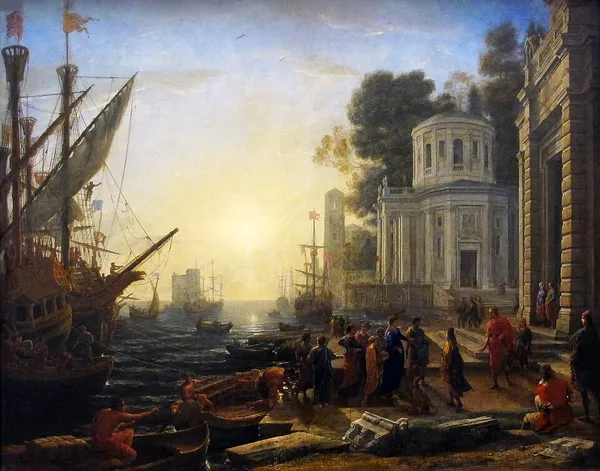
Light in painting serves both technical and aesthetic purposes. Technically, it is essential to visual representation, as it conditions the perception of color, texture, and volume. Aesthetically, its interplay with shadow and its effects on color and illumination shape the composition and the image the artist intends to convey. Light may also acquire symbolic meaning, especially in religious contexts, where it is frequently associated with divinity. Because light produces visual impressions in the human eye, it is indispensable for perceiving art. It is likewise inherent to painting, since the interaction of light and shadow underlies drawing, and its relationship with color is fundamental to modeling and relief. The depiction of light has evolved throughout the history of painting, giving rise to techniques such as shading, chiaroscuro, sfumato, or tenebrism. Light has been especially influential in periods and styles including the Renaissance, Baroque, Impressionism, or Fauvism. The heightened attention to light in painting is known as "luminism", a termterm applied to styles such as Baroque tenebrism and Impressionism, as well as to movements of the late 19th and early 20th centuries, including American, Belgian, and Valencian luminism.
Also on this shelf
Bosom of Abraham Trinity.
Fredrikstad Cathedral.
See also
Uncatalogued shelfText from Wikipedia; plate via Wikimedia Commons. Text CC BY-SA 4.0; plate freely licensed (see Commons). Source record. Images and catalogue data are reproduced from open-access collections.