Medieval and Manuscripts
Byzantine commonwealth
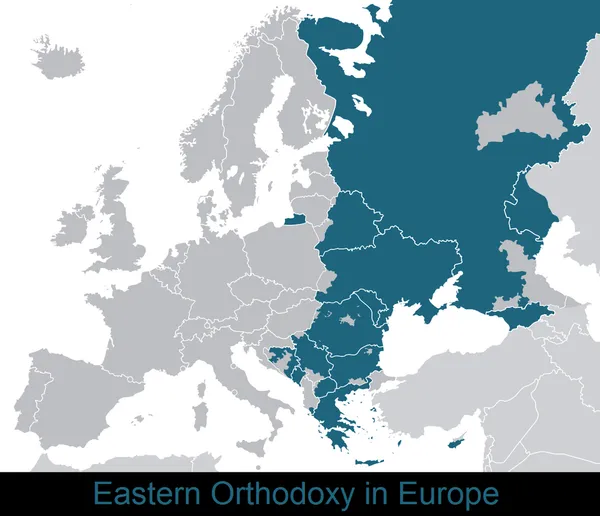
The term Byzantine commonwealth was coined by 20th-century historian Dimitri Obolensky to refer to the area where Byzantine general influence (Byzantine liturgical and cultural tradition) was spread during the Middle Ages by the Byzantine Empire and its missionaries. This area covers approximately the modern-day countries of Greece, Cyprus, North Macedonia, Bulgaria, Serbia, Montenegro, Romania, Moldova, Ukraine, Belarus, southwestern Russia, and Georgia (known as the region of Eastern Orthodoxy in Europe or the Orthodox Civilization). According to Anthony Kaldellis, the Byzantines in general did not have a ecumenical outlook, nor did they think about the notion of a panorthodox commonwealth, which he describes as "Roman chauvinism".
Also on this shelf
Immanuel Presbyterian Church (Los Angeles, California).
Grade I listed churches in Cumbria.
See also
Uncatalogued shelfText from Wikipedia; plate via Wikimedia Commons. Text CC BY-SA 4.0; plate freely licensed (see Commons). Source record. Images and catalogue data are reproduced from open-access collections.