Medieval and Manuscripts
Aldfrith of Northumbria
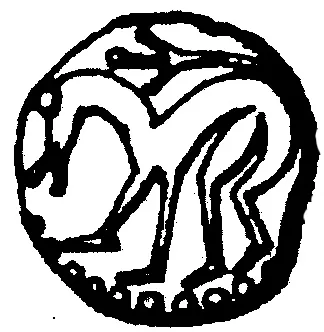
Aldfrith (Early Modern Irish: Flann Fína mac Ossu; Latin: Aldfrid, Aldfridus; died 14 December 704 or 705) was king of Northumbria from 685 until his death. He is described by early writers such as Bede, Alcuin and Stephen of Ripon as a man of great learning. Some of his works and some letters written to him survive. His reign was relatively peaceful, marred only by disputes with Bishop Wilfrid, a major figure in the early Northumbrian church. Aldfrith was born on an uncertain date to Oswiu of Northumbria and an Irish princess named Fín. Oswiu later became King of Northumbria; he died in 670 and was succeeded by his son Ecgfrith. Aldfrith was educated for a career in the church and became a scholar. However, in 685, when Ecgfrith was killed at the battle of Nechtansmere, Aldfrith was recalled to Northumbria, reportedly from the Hebridean island of Iona, and became king. In his early-8th-century account of Aldfrith's reign, Bede states that he "ably restored the shattered fortunes of the kingdom, though within smaller boundaries". His reign saw the creation of works of Hiberno-Saxon art such as the Lindisfarne Gospels and the Codex Amiatinus, and is often seen as the start of Northumbria's golden age.
Also on this shelf
Church of St Andrew, Eccles.
List of churches preserved by the Churches Conservation Trust in Southwest England.
See also
Uncatalogued shelfText from Wikipedia; plate via Wikimedia Commons. Text CC BY-SA 4.0; plate freely licensed (see Commons). Source record. Images and catalogue data are reproduced from open-access collections.