Maritime History
British ensign
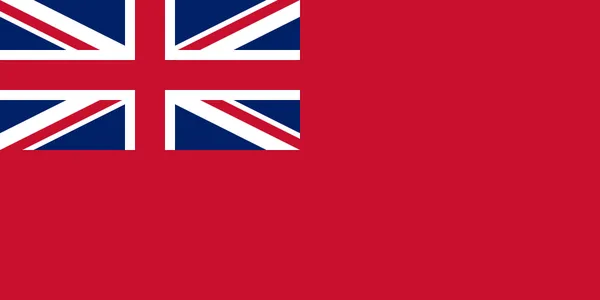
In British maritime law and custom, an ensign is the identifying flag flown to designate a British ship, either military or civilian. Such flags display the United Kingdom Union Jack in the canton (the upper corner next to the staff), with either a red, white, or blue field, dependent on whether the vessel is civilian, naval, or in a special category. These are known as the red, white, and blue ensigns respectively. Outside the nautical sphere, ensigns are used to designate many other military units, government departments and administrative divisions. These flags are modelled on the red, white, and blue naval ensigns, but may use different colours for the field, and be defaced by the addition of a badge or symbol, for example the sky blue with concentric red, white and blue circles of the Royal Air Force ensign. The Union Flag (also known as the Union Jack) should be flown as a jack by Royal Navy ships only when moored or at anchor. If flown while underway, the ship must be dressed for a special occasion or celebration with masthead ensigns, otherwise it signals that the monarch or an Admiral of the Fleet is on board. The Union Flag may also signal that a court martial is in progress. The use of the Union Flag as an ensign on a civilian craft is still illegal, unless it has a white border, ever since Charles I ordered it be restricted to His Majesty's ships "upon pain of Our high displeasure" in the 17th century, mainly due to its unauthorised use by merchant mariners to avoid paying harbour duties by passing themselves off as royal vessels.
Also on this shelf
French destroyer Framée.
HMS Zenobia (1807).
See also
Uncatalogued shelfText from Wikipedia; plate via Wikimedia Commons. Text CC BY-SA 4.0; plate freely licensed (see Commons). Source record. Images and catalogue data are reproduced from open-access collections.