Maritime History
Founding of Belize
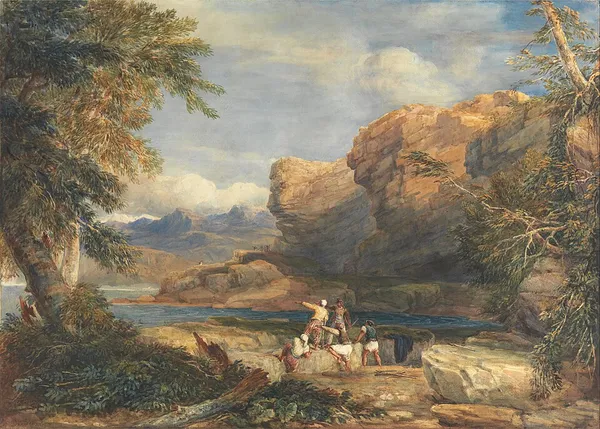
The Bay settlement, earliest predecessor state of modern Belize, is commonly thought to have been surreptitiously founded by British buccaneers, who thereby became the first Baymen, in the 17th century, during the Spanish or Precolonial periods of the country's history. Since the 19th century, however, historians have sought but failed to locate primary sources for said founding, resulting in a myriad competing narratives of said event in scholarly and lay literature, and in the mythicisation of the same, part of the broader romanticisation of pirates in popular culture. Traditionally, the settlement has been credited to Peter Wallace, and dated to 1638. Recently, though, this traditional account has been deemed a founding myth, such that scholars now mostly favour a circumspect account of a clandestine settlement by unnamed British buccaneers, dated to the 1630s to 1670s, located near the mouth of the Belize River, and brought about by participants' piratical acts or aims. The founding encroached upon Maya and Spanish territory, the latter of which led British and Spanish authorities to deem it illicit, and further displaced the indigenous Maya population.
Also on this shelf
Labrador.
HMS Manilla (1809).
See also
Uncatalogued shelfText from Wikipedia; plate via Wikimedia Commons. Text CC BY-SA 4.0; plate freely licensed (see Commons). Source record. Images and catalogue data are reproduced from open-access collections.