Maritime History
Grand Bank
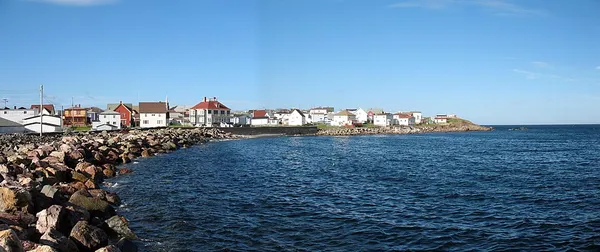
Grand Bank is a small rural town in the Canadian province of Newfoundland and Labrador with a population of 2,580. It is located on the southern tip or "toe" of the Burin Peninsula (also known as "the boot"), 360 km from the provincial capital of St. John's. Grand Bank was inhabited by French fishermen as early as 1640 and began as a fishing settlement with about seven families. It was given the name "Grand Banc" by its original French inhabitants because of the high bank that extends from Admiral's Cove to the water's edge on the west side of the harbour. The Town of Grand Bank can attribute much of its past and present growth and prosperity to its proximity to the fishing grounds and its ice-free harbour. Original settlers thrived on trade with the French and a vigorous inshore fishing industry. Grand Bank became the nucleus of the bank fishing industry for Newfoundland and a service centre for Fortune Bay. With the decline of the salt fish industry, the town's emphasis quickly shifted to fresh fish production. Enterprising businessmen and town planners prepared the way for a fresh fish plant (present day Grand Bank Seafoods Inc.) and a fleet of trawlers.
Also on this shelf
Battle of Les Sables-d'Olonne.
Grand Egyptian Museum.
See also
Uncatalogued shelfText from Wikipedia; plate via Wikimedia Commons. Text CC BY-SA 4.0; plate freely licensed (see Commons). Source record. Images and catalogue data are reproduced from open-access collections.