Maritime History
Human factors in diving equipment design
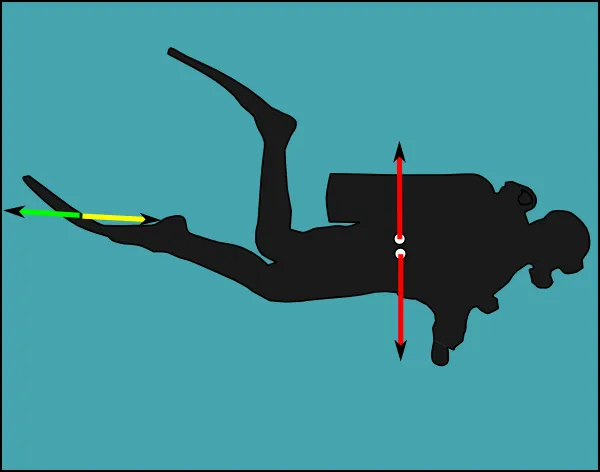
Human factors in diving equipment design is the application of human factors and ergonomics principles and data to the design of diving equipment and diving support equipment to facilitate diver-system interactions and provide for diver wellbeing and overall dive efficiency. The underwater diver relies on various items of diving and support equipment to stay alive, healthy and reasonably comfortable and to perform planned tasks during a dive. Divers vary considerably in anthropometric dimensions, physical strength, joint flexibility, and other factors. Diving equipment should be versatile and chosen to fit the diver, the environment, and the task. How well the overall design achieves a fit between equipment and diver can strongly influence its functionality. Diving support equipment is usually shared by a wide range of divers and must work for them all. When correct operation of equipment is critical to diver safety, it is desirable that different makes and models should work similarly to facilitate rapid familiarisation with new equipment. When this is not possible, additional training for the required skills may be necessary. The most difficult stages for recreational divers are out of water activities and transitions between the water and the surface site, such as carrying equipment on shore, exiting from water to boat and shore, swimming on the surface, and putting on equipment. Safety and reliability, adjustability to fit the individual, performance, and simplicity were rated the most important features for diving equipment by recreational divers. The professional diver is supported by a surface team, who are available to assist with the out-of-water activities to the extent necessary, to reduce the risk associated with them to a level acceptable in terms of the governing occupational safety and health regulations and codes of practice. This tends to make professional diving more expensive, and the cost tends to be passed on to the client. Human factors engineering (HFE), also known as human factors and ergonomics, is the application of anatomical, psychological and physiological principles to the engineering and design of equipment, procedures, processes, and systems.
Also on this shelf
Ancient Greek warfare.
ITC Grand Chola Hotel.
See also
Uncatalogued shelfText from Wikipedia; plate via Wikimedia Commons. Text CC BY-SA 4.0; plate freely licensed (see Commons). Source record. Images and catalogue data are reproduced from open-access collections.