Maps and Exploration
Economy of the Middle East
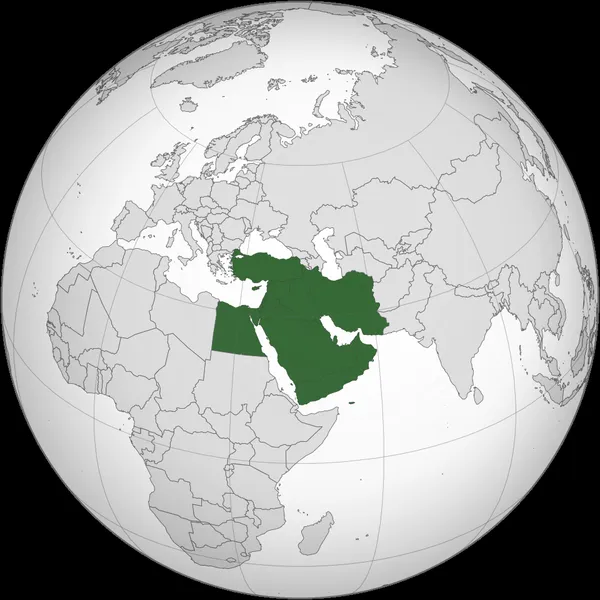
The economy of the Middle East is highly diverse, encompassing a range of economic systems and levels of development. Some countries are wealthy hydrocarbon exporters, while others have centrally planned economies, emerging market structures, or more liberalized, service-oriented markets. Beyond oil and gas, the region’s economies vary in terms of industrialization agriculture, tourism, finance, and technology sectors. Many Middle Eastern nations have undertaken efforts to diversify their economic bases in recent decades, investing in infrastructure, education, renewable energy, and knowledge-based industries. While natural resources continue to play a significant role in some states, others increasingly rely on trade, services, and industrial production as drivers of growth The economic landscape is thus shaped by both historical resource endowments and contemporary policies aimed at reducing dependency on any single sector.
Also on this shelf
Christopher Columbus.
Bintulu.
See also
Uncatalogued shelfText from Wikipedia; plate via Wikimedia Commons. Text CC BY-SA 4.0; plate freely licensed (see Commons). Source record. Images and catalogue data are reproduced from open-access collections.