Maps and Exploration
Geothermal energy in Turkey
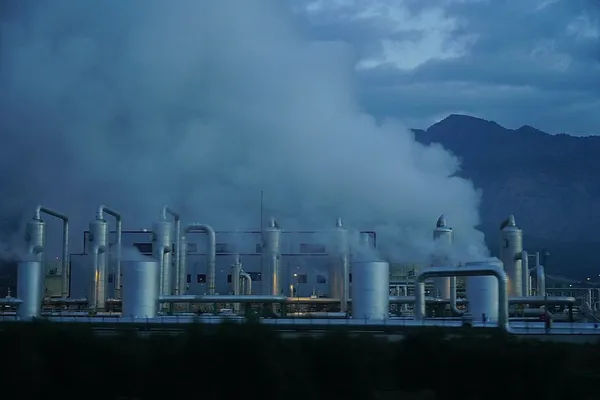
Geothermal energy is a significant part of renewable energy in Turkey: it is used for geothermal heating and generates 3% of the nation's electricity. Turkey is the world's second largest user of geothermal heating, after China. Many greenhouses, spas and homes are heated by underground water; and many more buildings could be heated in this way. People have been bathing in hot springs since antiquity. In Turkey electricity from underground steam was first generated in the late 20th century, and 63 geothermal power plants operate in Turkey as of 2022. Turkey has almost 2 GW of geothermal power installed, the fourth largest in the world. All geothermal plants are in Western Anatolia, due to its favorable geology. There is potential for 5 GW of geothermal power in total, including enhanced geothermal systems. Carbon dioxide emissions from new geothermal power plants are high in Turkey, as the metamorphic rocks can release carbon, but the emission rate declines over a few years. Public opinion is sometimes against geothermal due to emissions of foul smelling hydrogen sulfide. To reduce the emission of both carbon dioxide and hydrogen sulfide, the fluid is sometimes completely reinjected back into the reservoir.
Also on this shelf
Auglaize County Courthouse.
Capitol Theatre (Port Hope).
See also
Uncatalogued shelfText from Wikipedia; plate via Wikimedia Commons. Text CC BY-SA 4.0; plate freely licensed (see Commons). Source record. Images and catalogue data are reproduced from open-access collections.