Maps and Exploration
Antarctic Treaty System
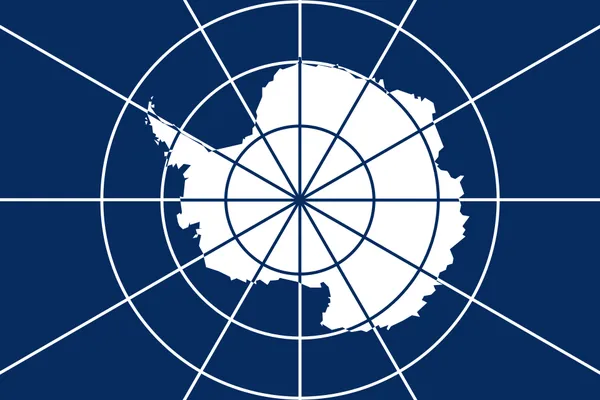
The Antarctic Treaty and related agreements, collectively known as the Antarctic Treaty System (ATS), regulate international relations with respect to Antarctica, Earth's only continent without a native human population. It was the first arms control agreement established during the Cold War, designating the continent as a scientific preserve, establishing freedom of scientific investigation, and banning military activity; for the purposes of the treaty system, Antarctica is defined as all the land and ice shelves south of 60°S latitude. Since September 2004, the Antarctic Treaty Secretariat, which implements the treaty system, is headquartered in Buenos Aires, Argentina. The main treaty was opened for signature on 1 December 1959, and officially entered into force on 23 June 1961. The original signatories were the 12 countries active in Antarctica during the International Geophysical Year (IGY) of 1957–58: Argentina, Australia, Belgium, Chile, France, Japan, New Zealand, Norway, South Africa, the Soviet Union, the United Kingdom, and the United States. These countries had established over 55 Antarctic research stations for the IGY, and the subsequent promulgation of the treaty was seen as a diplomatic expression of the operational and scientific cooperation that had been achieved. As of 2024, the treaty has 58 parties.
Also on this shelf
Allen Hall Theatre.
Dardanus Sulcus.
See also
Uncatalogued shelfText from Wikipedia; plate via Wikimedia Commons. Text CC BY-SA 4.0; plate freely licensed (see Commons). Source record. Images and catalogue data are reproduced from open-access collections.