Maps and Exploration
Embodied cognition
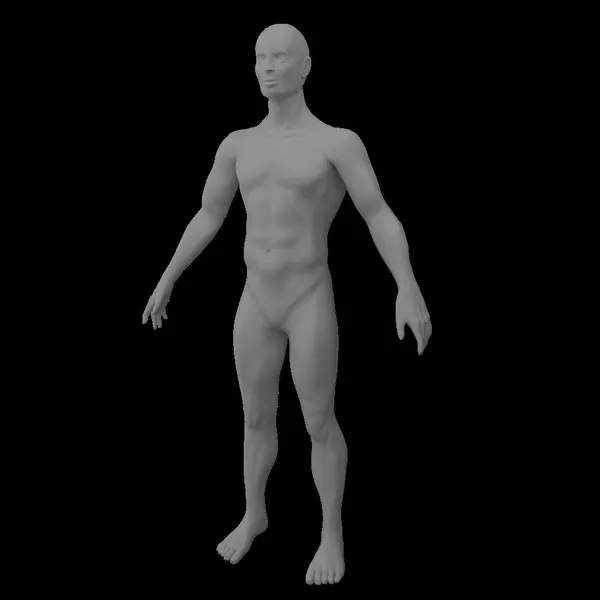
Embodied cognition represents a diverse group of theories which investigate how cognition is shaped by the bodily state and capacities of the organism. These embodied factors include the motor system, the perceptual system, bodily interactions with the environment (situatedness), and the assumptions about the world that shape the functional structure of the brain and body of the organism. Embodied cognition suggests that these elements are essential to a wide spectrum of cognitive functions, such as perception biases, memory recall, comprehension and high-level mental constructs (such as meaning attribution and categories) and performance on various cognitive tasks (reasoning or judgment). The embodied mind thesis challenges other theories, such as cognitivism, computationalism, and Cartesian dualism. It is closely related to the extended mind thesis, situated cognition, and enactivism. The modern version depends on understandings drawn from up-to-date research in psychology, linguistics, cognitive science, dynamical systems, artificial intelligence, robotics, animal cognition, plant cognition, and neurobiology.
Also on this shelf
Cardiff Crown Court.
Edna S. Purcell House.
See also
Uncatalogued shelfText from Wikipedia; plate via Wikimedia Commons. Text CC BY-SA 4.0; plate freely licensed (see Commons). Source record. Images and catalogue data are reproduced from open-access collections.