Maps and Exploration
COVID-19 pandemic in the San Francisco Bay Area
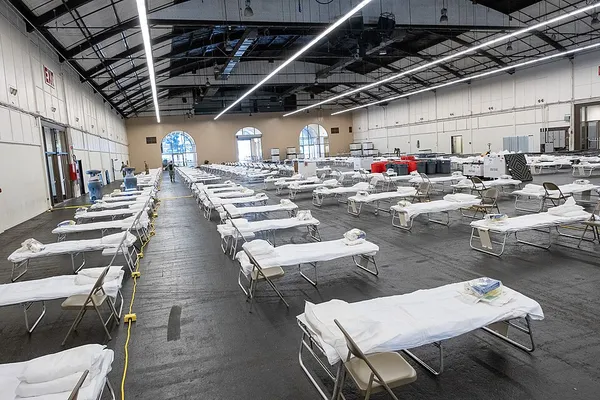
The San Francisco Bay Area, which includes the major cities of San Jose, San Francisco, and Oakland, was an early center of the COVID-19 pandemic in California. The first case of COVID-19 in the area was confirmed in Santa Clara County on January 31, 2020. A Santa Clara County resident (with no foreign travel history) was the earliest known death caused by COVID-19 in the United States, on February 6, suggesting that community spread of COVID-19 had been occurring long before any actual documented case. This article covers the 13 members of ABAHO, which includes the nine-county Bay Area plus the counties of Monterey, San Benito, and Santa Cruz. Local officials instituted some of the first mitigation efforts in the United States. The first mandatory stay-at-home order in the mainland U.S. took effect throughout the Bay Area on March 16 and 17 and continued until mid-May, affecting nearly 6.7 million people. The early government response is credited with mitigating the spread of infection compared to cities on the East Coast. Closures due to the pandemic have resulted in mass unemployment and significant disruptions to the economy, replacing local governments' budget surpluses with historic deficits. The pandemic accelerated the adoption of distance education among schools and remote work among businesses, especially in the technology industry. Air quality around San Francisco Bay improved as a result of a temporary decline in traffic volume.
Also on this shelf
Isle of the Dead (Tasmania).
Jon M. Huntsman Center.
See also
Uncatalogued shelfText from Wikipedia; plate via Wikimedia Commons. Text CC BY-SA 4.0; plate freely licensed (see Commons). Source record. Images and catalogue data are reproduced from open-access collections.