Maps and Exploration
History of cannabis in Italy
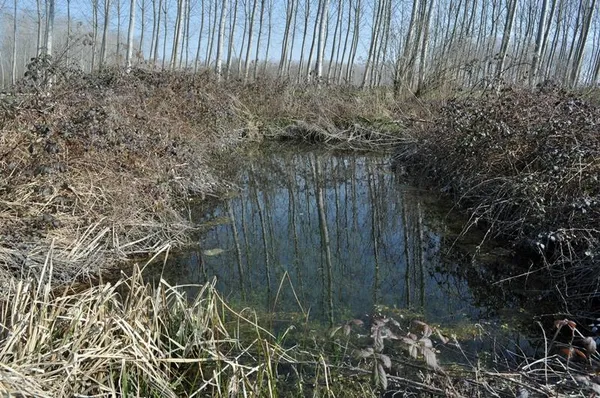
The cultivation of cannabis in Italy has a long history dating back to Roman times, when it was primarily used to produce hemp ropes, although pollen records from core samples show that Cannabaceae plants were present in the Italian Peninsula since at least the Late Pleistocene, while the earliest evidence of their use dates back to the Bronze Age. For a long time after the fall of Rome in the 5th century A.D., the cultivation of hemp, although present in several Italian regions, mostly consisted in small-scale productions aimed at satisfying the local needs for fabrics and ropes. Known as canapa in Italian, the historical ubiquity of hemp is reflected in the different variations of the name given to the plant in the various regions, including canape, càneva, canava, and canva (or canavòn for female plants) in northern Italy; canapuccia and canapone in the Po Valley; cànnavo in Naples; cànnavu in Calabria; cannavusa and cànnavu in Sicily; cànnau and cagnu in Sardinia. The mass cultivation of industrial cannabis for the production of hemp fiber in Italy really took off during the period of the Maritime Republics and the Age of Sail, due to its strategic importance for the naval industry. In particular, two main economic models were implemented between the 15th and 19th centuries for the cultivation of hemp, and their primary differences essentially derived from the diverse relationships between landowners and hemp producers. The Venetian model was based on a state monopoly system, by which the farmers had to sell the harvested hemp to the Arsenal at an imposed price, in order to ensure preferential, regular, and advantageous supplies of the raw material for the navy, as a matter of national security. Such system was particularly developed in the southern part of the province of Padua, which was under the direct control of the administrators of the Arsenal.
Also on this shelf
Arp 166.
Hong Kong–Zhuhai–Macau Bridge.
See also
Uncatalogued shelfText from Wikipedia; plate via Wikimedia Commons. Text CC BY-SA 4.0; plate freely licensed (see Commons). Source record. Images and catalogue data are reproduced from open-access collections.