Maps and Exploration
Epstein–Barr virus
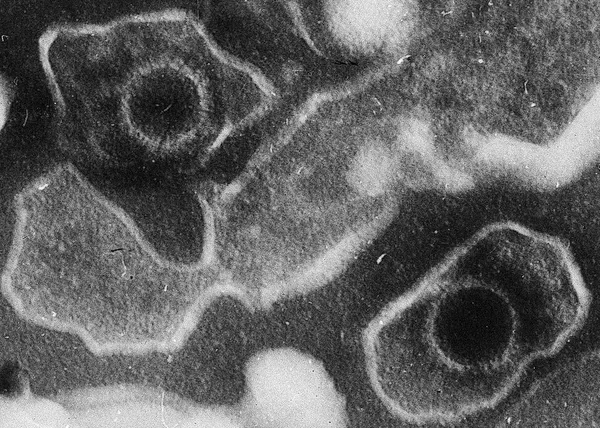
The Epstein–Barr virus (EBV; EP-styne, Yiddish: [ˈɛpʃtejn]), also known as human herpesvirus 4 (HHV-4), is one of the nine known human herpesvirus types in the herpes family, and is one of the most common viruses in humans. EBV is a double-stranded DNA virus. EBV is the first identified oncogenic virus, a virus that can cause cancer. EBV establishes a permanent infection in human B cells. It is the most common cause (90% of cases) of infectious mononucleosis and is also tightly linked to many malignant diseases (cancers and autoimmune diseases). Various vaccine formulations have been tested in humans and other animals; however, none of them were able to prevent EBV infection, and no vaccine has been approved to date. Infectious mononucleosis ("mono" or "glandular fever"), is characterized by extreme fatigue, fever, sore throat, and swollen lymph nodes. EBV is also associated with various non-malignant, premalignant, and malignant EBV-associated lymphoproliferative diseases such as Burkitt lymphoma, hemophagocytic lymphohistiocytosis, and Hodgkin's lymphoma; non-lymphoid malignancies such as gastric cancer and nasopharyngeal carcinoma; and conditions associated with human immunodeficiency virus such as hairy leukoplakia and central nervous system lymphomas. The virus is also associated with the childhood disorders of Alice in Wonderland syndrome and acute cerebellar ataxia and, by some evidence, higher risks of developing certain autoimmune diseases, especially dermatomyositis, systemic lupus erythematosus, rheumatoid arthritis, and Sjögren's syndrome. About 200,000 cancer cases globally per year are thought to be attributable to EBV. In January 2022, a large study following 10 million active US military over 20 years suggested EBV as the leading cause of multiple sclerosis (MS), with a recent EBV infection causing a 32-fold increase in MS risk development. Infection with EBV occurs by the oral transfer of saliva and genital secretions. Most people become infected with EBV and gain adaptive immunity. In the United States, about half of all five-year-old children and about 90% of adults have evidence of previous infection. Infants become susceptible to EBV as soon as maternal antibody protection disappears. Most children who become infected with EBV display no symptoms, or the symptoms are indistinguishable from other mild, brief illnesses of childhood.
Also on this shelf
Danbury, Essex.
Colin O'Brady.
See also
Uncatalogued shelfText from Wikipedia; plate via Wikimedia Commons. Text CC BY-SA 4.0; plate freely licensed (see Commons). Source record. Images and catalogue data are reproduced from open-access collections.