Invention and Engineering
Fuel cell vehicle
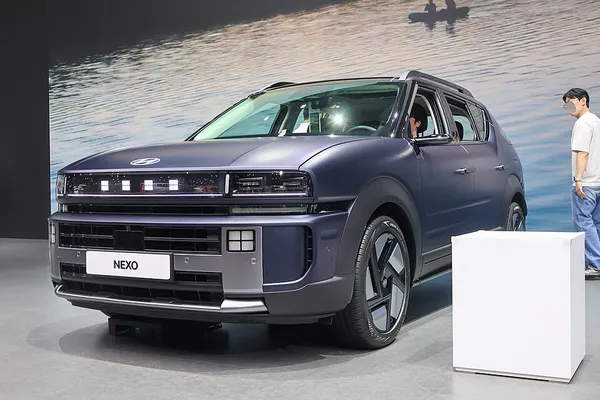
A fuel cell vehicle (FCV) or fuel cell electric vehicle (FCEV) is an electric vehicle that uses a fuel cell, sometimes in combination with a small battery or supercapacitor, to power its onboard electric motor. Fuel cells in vehicles generate electricity generally using oxygen from the air and compressed hydrogen. Most fuel cell vehicles are classified as zero-emissions vehicles. As compared with internal combustion vehicles, hydrogen vehicles centralize pollutants at the site of the hydrogen production, where hydrogen is typically derived from reformed natural gas. Transporting and storing hydrogen may also create pollutants. Fuel cells have been used in various kinds of vehicles including forklifts, especially in indoor applications where their clean emissions are important to air quality, and in space applications. Fuel cells are being developed and tested in trucks, buses, boats, ships, motorcycles and bicycles, among other kinds of vehicles. The first road vehicle powered by a fuel cell was the Chevrolet Electrovan, introduced by General Motors in 1966. The Toyota FCHV and Honda FCX, which began leasing on December 2, 2002, became the world's first government-certified commercial fuel cell vehicles, and the Honda FCX Clarity, which began leasing in 2008, was the world's first fuel cell vehicle designed for mass production rather than adapting an existing model. In 2013, Hyundai Motors began production of the Hyundai ix35 FCEV, claimed to be the world's first mass-produced fuel cell electric vehicle, which was subsequently introduced to the market as a lease-only vehicle. In 2014, Toyota began selling the Toyota Mirai, the world's first dedicated fuel cell vehicle. As of December 2020, 31,225 passenger FCEVs powered with hydrogen had been sold worldwide. As of 2021, there were only two models of fuel cell cars publicly available in select markets: the Toyota Mirai (2014–present) and the Hyundai Nexo (2018–present). The Honda Clarity was produced from 2016 to 2021, when it was discontinued. The Honda CR-V e:FCEV became available, for lease only, in very limited quantities in 2024. As of 2020, there was limited hydrogen infrastructure, with fewer than fifty hydrogen fueling stations for automobiles publicly available in the U.S.
Also on this shelf
Canning.
Cyclone Mark V Engine.
See also
Uncatalogued shelfText from Wikipedia; plate via Wikimedia Commons. Text CC BY-SA 4.0; plate freely licensed (see Commons). Source record. Images and catalogue data are reproduced from open-access collections.