Invention and Engineering
Energy in Iceland
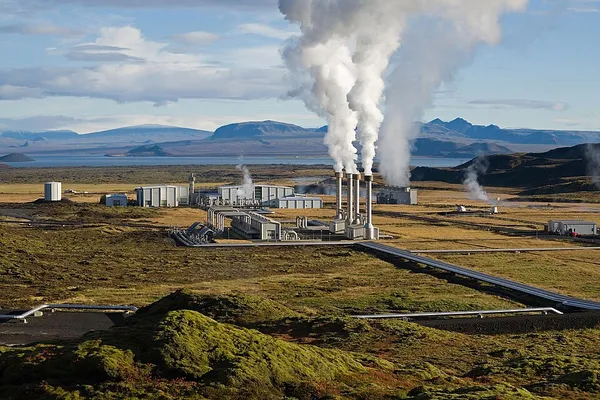
Iceland is a world leader in renewable energy. 100% of the electricity in Iceland's electricity grid is produced from renewable resources. In terms of total energy supply, 85% of the total primary energy supply in Iceland is derived from domestically produced renewable energy sources. Geothermal energy provided about 65% of primary energy in 2016; the share of hydropower was 20%, and the share of fossil fuels (mainly oil products for the transport sector) was 15%. The Icelandic government aspires that the nation will be carbon neutral by 2040. The largest obstacles to this are road transport and the fishing industry. In 2025, Iceland's total electricity consumption was 20,243 GWh. Renewable energy provided almost 100% of production, with 70.5% coming from hydropower, 29.4% from geothermal power, and 0.1% from fossil fuels. Only two islands, Grímsey and Flatey, are not connected to the national grid and so rely primarily on diesel generators for electricity. Most of the hydropower plants are owned by Landsvirkjun (the National Power Company), which is the main supplier of electricity in Iceland. Landsvirkjun produces 12,469 GWh which is 75% of the total electricity production in Iceland. The main use of geothermal energy is for space heating, with the heat being distributed to buildings through extensive district-heating systems. Nearly all Icelandic homes are heated with renewable energy, with 90% of homes being via geothermal energy. The remaining homes that are not located in areas with geothermal resources are heated by renewable electricity instead. Iceland is the world's largest green energy producer per capita and largest electricity producer per capita, with approximately 55,000 kWh per person per year. In comparison, the EU average is less than 6,000 kWh. Most of this electricity is used in energy-intensive industrial sectors, such as aluminium production, which developed in Iceland thanks to the low cost of electricity.
Also on this shelf
Henry Bessemer.
GWR 2600 Class.
See also
Uncatalogued shelfText from Wikipedia; plate via Wikimedia Commons. Text CC BY-SA 4.0; plate freely licensed (see Commons). Source record. Images and catalogue data are reproduced from open-access collections.