Invention and Engineering
Double heading
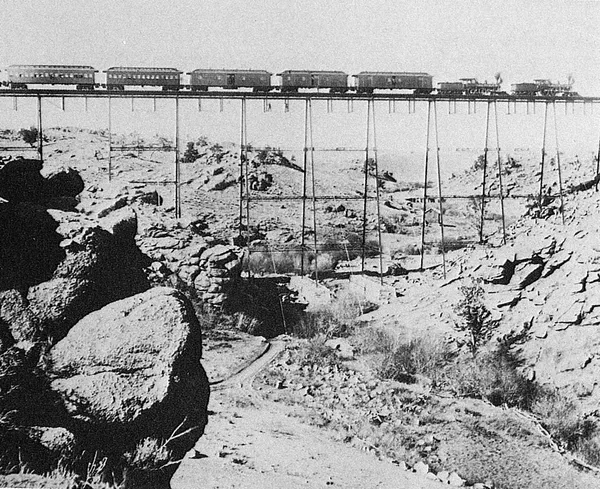
In railroad terminology, double heading refers to the use of two locomotives at the front of a train, each operated separately by its own crew. Triple-heading refers to the use of three locomotives, while multi-heading refers to the use of multiple locomotives. The practice originated during the era of steam locomotives, but the use of two or more locomotives also remains common with modern diesel and electric locomotives. However, modern locomotives often operate using multiple-unit control, in which all locomotives are controlled by a single driver from the leading cab, rather than by separate crews.
Also on this shelf
Indian locomotive class WAG-7.
2-3-2K.
See also
Uncatalogued shelfText from Wikipedia; plate via Wikimedia Commons. Text CC BY-SA 4.0; plate freely licensed (see Commons). Source record. Images and catalogue data are reproduced from open-access collections.