Invention and Engineering
Airliner
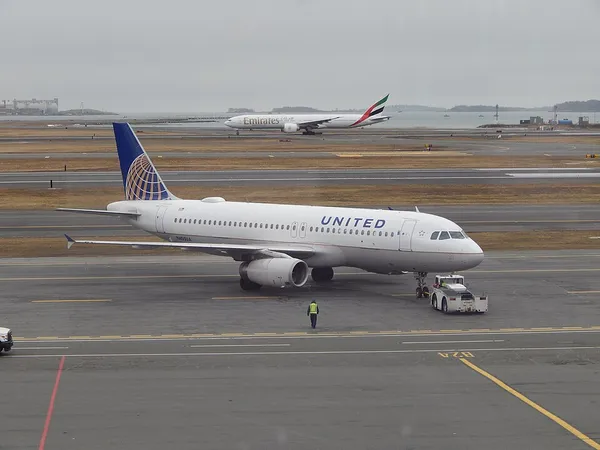
An airliner is a type of airplane for transporting passengers and air cargo. Such aircraft are most often operated by airlines. The modern and most common variant of the airliner is a jet powered aircraft with a long, tube-shaped fuselage. The largest of them are wide-body jets which are also called twin-aisle because they generally have two separate aisles running from the front to the back of the passenger cabin. These are usually used for long-haul flights between airline hubs and major cities. A smaller, more common class of airliners is the narrow-body or single-aisle. These are generally used for short to medium-distance flights with fewer passengers than their wide-body counterparts. Regional airliners typically seat fewer than 100 passengers and may be powered by turbofans or turboprops. These airliners are the non-mainline counterparts to the larger aircraft operated by the major carriers, legacy carriers, and flag carriers, and are used to feed traffic into the large airline hubs. These regional routes then form the spokes of a hub-and-spoke air transport model. The lightest aircraft are short-haul regional feeder airliner type aircraft that carry a small number of passengers are called commuter aircraft, commuterliners, feederliners, and air taxis, depending on their size, engines, how they are marketed, region of the world, and seating configurations. The Beechcraft 1900, for example, has only 19 seats.
Also on this shelf
Economy of Sheffield.
Humanoid robot.
See also
Uncatalogued shelfText from Wikipedia; plate via Wikimedia Commons. Text CC BY-SA 4.0; plate freely licensed (see Commons). Source record. Images and catalogue data are reproduced from open-access collections.