Invention and Engineering
Bioplastic
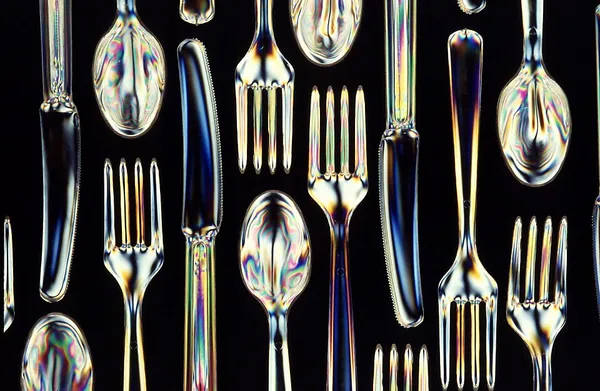
Bioplastics (or bio-based plastics) are plastic materials produced from renewable biomass sources rather than petrochemical sources. This definition distinguishes it from biodegradable plastics, which are plastics that degrade by the natural action of microorganisms such as algae or bacteria. In the context of bioeconomy and the circular economy, bioplastics remain topical. The four main classes of bioplastics can be described as such: Natural biopolymers: bioplastics processed from biopolymers with added plasticizers or stabilizers, such as polysaccharides (e.g., corn starch or rice starch, cellulose, chitosan, and alginate) and proteins (e.g., soy protein, gluten, and gelatin) or some forms of lipids (e.g., paraffin, lignin, and acetin) Chemical synthesis: bioplastics chemically synthesized from sugar derivatives (e.g., lactic acid) and lipids (such as vegetable fats and oils) from either plants or animals Microbial synthesis: bioplastics formed from fermentation of sugars or lipids or biotechnological production in microorganisms or genetically modified plants (e.g., polyhydroxyalkanoates (PHA)). Nonbiodegradable bioplastics/drop-in bioplastics: bioplastics moderately produced from biomass (typically copolymerized or blended with conventional petrol-based plastics) to manufacture "bio-attributed" or "mass-balanced" plastic (e.g. Bio-PE, resin, and Bio-PET). The first three classes are biodegradable while the last class is non-degradable (durable). Whether any kind of plastic is degradable or durable depends on its molecular structure, not on whether or not the biomass constituting the raw material is fossilized. Both durable bioplastics, such as Bio-PET or biopolyethylene (bio-based analogues of fossil-based polyethylene terephthalate and polyethylene), and degradable bioplastics, such as polylactic acid, polybutylene succinate, or polyhydroxyalkanoates, exist. One advantage of bioplastics is their independence from fossil fuel as a raw material, which is a finite and globally unevenly distributed resource linked to petroleum politics and environmental impacts. Bioplastics can utilize previously unused waste materials (e.g., straw, woodchips, sawdust, and food waste).
Also on this shelf
Honeywell.
Computer.
See also
Uncatalogued shelfText from Wikipedia; plate via Wikimedia Commons. Text CC BY-SA 4.0; plate freely licensed (see Commons). Source record. Images and catalogue data are reproduced from open-access collections.