Invention and Engineering
Cigarette
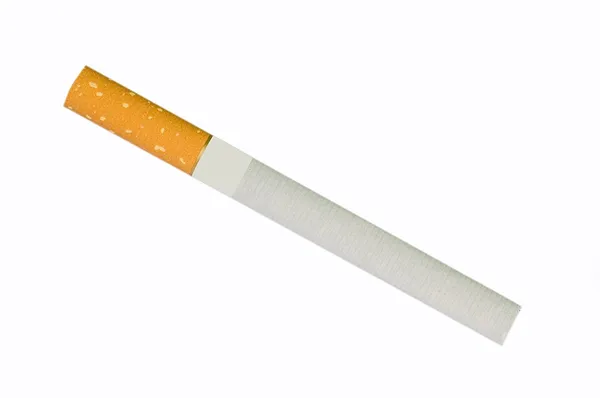
A cigarette is a thin cylinder of tobacco rolled in thin paper for smoking. Igniting one end causes it to smolder, and the smoker inhales the resulting smoke through the other end. Cigarette smoking is the most common method of tobacco consumption. The term cigarette usually refers to a tobacco cigarette, but the word is sometimes used to refer to other substances, such as a cannabis cigarette or an herbal cigarette. A cigarette differs from a cigar in its smaller size, use of processed leaf, different smoking method, and paper wrapping, which is typically white. Cigarette smoking has many negative health effects. These include diseases such as cancer, chronic obstructive pulmonary disease (COPD), heart disease, birth defects, and other health problems relating to nearly every organ of the body. Most modern cigarettes are filtered, but that does not mean the smoke inhaled from them contains fewer carcinogens or harmful chemicals. Nicotine, the psychoactive drug in tobacco, makes cigarettes highly addictive. About half of cigarette smokers die of tobacco-related disease and lose, on average, 14 years of life. Every year, cigarette smoking causes more than 8 million deaths worldwide; more than 1.3 million of these are non-smokers dying as a result of exposure to secondhand smoke. These harmful effects have led to legislation that has prohibited smoking in many workplaces and public areas, regulated marketing and purchasing age of tobacco, and levied taxes to discourage cigarette use.In the 21st century, electronic cigarettes (also called e-cigarettes or vapes) were developed, whereby a substance contained within the device (typically a liquid solution containing nicotine) is vaporized by a battery-powered heating element as opposed to being burned. Although e-cigarettes are considered to be less harmful than conventional cigarettes, there are still significant health risks associated with their use. Cigarettes and other smoking materials, especially when people fall asleep with a lit item, are a major cause of residential fires, accounting for about 28% of fires involving upholstered furniture. Fire-safe cigarettes reduce the risk to some extent (by approximately 11-45%, depending on the country and type of fire), but the risk remains high.
Also on this shelf
BNR class N.
DHR B Class 778.
See also
Uncatalogued shelfText from Wikipedia; plate via Wikimedia Commons. Text CC BY-SA 4.0; plate freely licensed (see Commons). Source record. Images and catalogue data are reproduced from open-access collections.