Invention and Engineering
Embodied energy
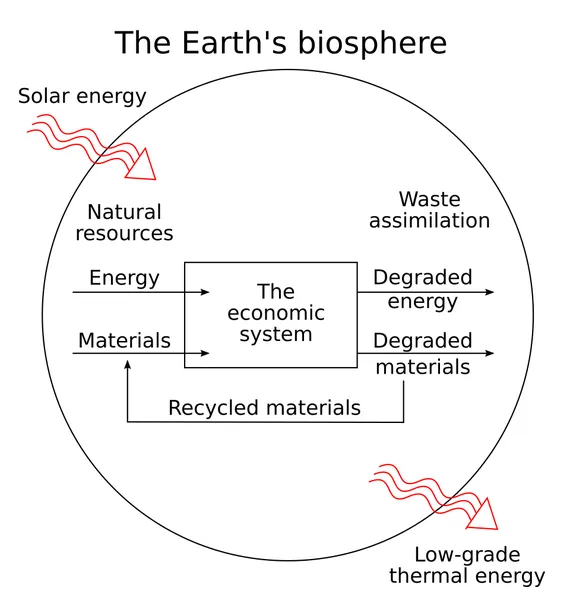
Embodied energy is the sum of all the energy required to produce any goods or services, considered as if that energy were incorporated or 'embodied' in the product itself. The concept can help determine the effectiveness of energy-producing or energy saving devices, or the "real" replacement cost of a building, and, because energy-inputs usually entail greenhouse gas emissions, in deciding whether a product contributes to or mitigates global warming. One fundamental purpose for measuring this quantity is to compare the amount of energy produced or saved by the product in question to the amount of energy consumed in producing it. Embodied energy is an accounting method that aims to find the sum total of the energy necessary for an entire product lifecycle. Determining what constitutes this lifecycle includes assessing the relevance and extent of energy in raw material extraction, transport, manufacture, assembly, installation, disassembly, deconstruction and/or decomposition, as well as human and secondary resources.
Also on this shelf
DRG Class 02.
Alexis Carrel.
See also
Uncatalogued shelfText from Wikipedia; plate via Wikimedia Commons. Text CC BY-SA 4.0; plate freely licensed (see Commons). Source record. Images and catalogue data are reproduced from open-access collections.