Invention and Engineering
Chocolate bar
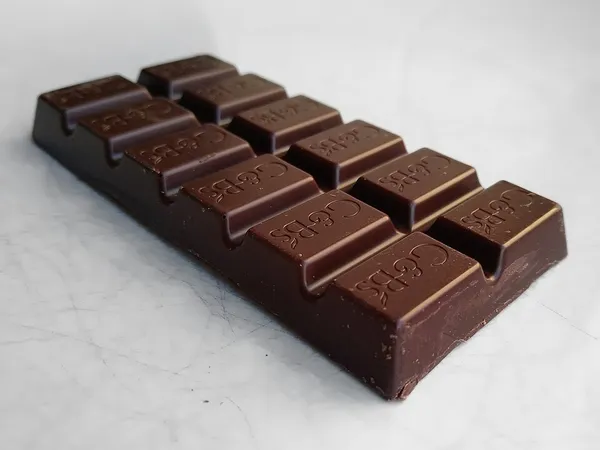
A chocolate bar is a confection containing chocolate, which may also contain layerings or mixtures that include nuts, fruit, caramel, nougat, and wafers. A flat and easily partitionable chocolate bar is also called a tablet. In some varieties of English and food labeling standards, the term chocolate bar is reserved for bars of solid chocolate, with candy bar used for products with additional ingredients. The manufacture of a chocolate bar from raw cocoa ingredients requires many steps, from grinding and refining, to conching and tempering. While the grinding of cocoa beans is an ancient Mesoamerican practice, the subsequent processes were independently developed by chocolate manufacturers in different European countries. There is therefore no precise moment when the first chocolate bar came into existence. Solid chocolate was already consumed in the 18th century. The 19th century saw the emergence of the modern chocolate industry; most manufacturing techniques used today were invented during this period. Dark, milk and white are the main three types of chocolate. Ingredients not derived from cocoa have been added to bars since the beginning of the chocolate industry, often to reduce production costs.
Also on this shelf
James Nasmyth.
GWR 4900 Class.
See also
Uncatalogued shelfText from Wikipedia; plate via Wikimedia Commons. Text CC BY-SA 4.0; plate freely licensed (see Commons). Source record. Images and catalogue data are reproduced from open-access collections.