Invention and Engineering
Economy of Bangladesh
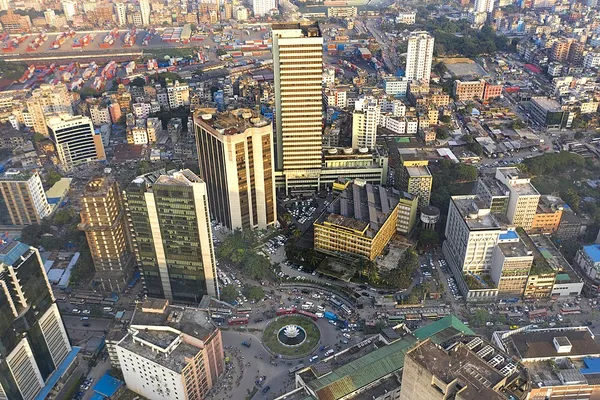
Bangladesh has a developing market-oriented economy. As the second-largest economy in South Asia, The economy is the 36th largest in the world in nominal terms, and 26th largest by purchasing power parity. Bangladesh is seen by various financial institutions as one of the Next Eleven. It has been transitioning from being a frontier market into an emerging market. Bangladesh is a member of the South Asian Free Trade Area and the World Trade Organization. In fiscal year 2024–2025, Bangladesh registered a GDP growth rate of 3.49%, the slowest in recent years. Bangladesh is set to graduate from the group of least developed countries and will join the group of developing countries in November 2026. Industrialisation in Bangladesh received a strong impetus after the partition of India due to labour reforms and new industries. Between 1947 and 1971, East Bengal generated between 70% and 50% of Pakistan's exports. Modern Bangladesh embarked on economic reforms in the late 1970s which promoted free markets and foreign direct investment. By the 1990s, the country had a booming ready-made garments industry. As of 16 March 2024, Bangladesh has the highest number of green garment factories in the world. As of 2024, Bangladesh has a growing pharmaceutical industry with 12 percent average annual growth rate. Bangladesh is the only nation among the 48 least-developed countries that is almost self-sufficient when it comes to medicine production as local companies meet 98 percent of the domestic demand for pharmaceuticals. Remittances from the large Bangladeshi diaspora became a vital source of foreign exchange reserves. Agriculture in Bangladesh is supported by government subsidies and ensures self-sufficiency in food production. Bangladesh has pursued export-oriented industrialisation. Bangladesh experienced robust growth after the pandemic with macroeconomic stability, improvements in infrastructure, a growing digital economy, and growing trade flows. Tax collection remains very low, with tax revenues accounting for only 7.7% of GDP. Bangladesh's banking sector has a large amount of non-performing loans or loan defaults, which have caused a lot of concern. The private sector makes up 80% of GDP. The Dhaka Stock Exchange and Chittagong Stock Exchange are the two stock markets of the country.
Also on this shelf
Chalon-sur-Saône.
2-4-0.
See also
Uncatalogued shelfText from Wikipedia; plate via Wikimedia Commons. Text CC BY-SA 4.0; plate freely licensed (see Commons). Source record. Images and catalogue data are reproduced from open-access collections.