Invention and Engineering
Animal testing
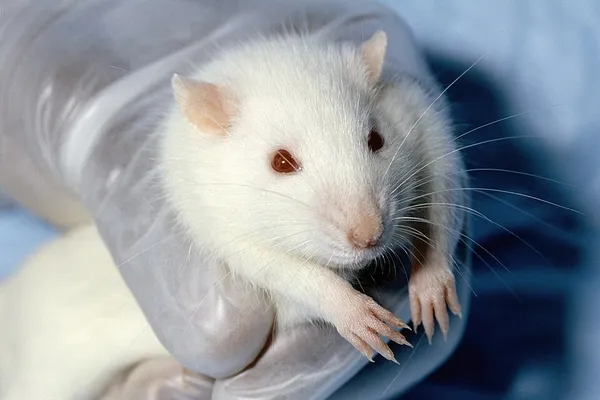
Animal testing, also known as animal experimentation, animal research, and in vivo testing, is the use of non-human animals, as model organisms, in experiments that seek answers to scientific and medical questions. This approach can be contrasted with field studies in which animals are observed in their natural environments or habitats. Experimental research with animals is usually conducted in universities, medical schools, pharmaceutical companies, defense establishments, and commercial facilities that provide animal-testing services to the industry. The focus of animal testing varies on a continuum from pure research, focusing on developing fundamental knowledge of an organism, to applied research, which may focus on answering some questions of great practical importance, such as finding a cure for a disease. Examples of applied research include testing disease treatments, breeding, defense research, and toxicology, including cosmetics testing. In education, animal testing is sometimes a component of biology or psychology courses. Research using animal models has been central to most of the achievements of modern medicine. It has contributed to most of the basic knowledge in fields such as human physiology and biochemistry, and has played significant roles in fields such as neuroscience and infectious disease. The results have included the near-eradication of polio and the development of organ transplantation, and have benefited both humans and animals. From 1910 to 1927, Thomas Hunt Morgan's work with the fruit fly Drosophila melanogaster identified chromosomes as the vector of inheritance for genes, and Eric Kandel wrote that Morgan's discoveries "helped transform biology into an experimental science". Research in model organisms led to further medical advances, such as the production of the diphtheria antitoxin and the 1922 discovery of insulin and its use in treating diabetes, which was previously fatal. Modern general anaesthetics such as halothane were also developed through studies on model organisms, and are necessary for modern, complex surgical operations.
Also on this shelf
Coleman Sellers II.
Hydrolock.
See also
Uncatalogued shelfText from Wikipedia; plate via Wikimedia Commons. Text CC BY-SA 4.0; plate freely licensed (see Commons). Source record. Images and catalogue data are reproduced from open-access collections.