Invention and Engineering
Dredging
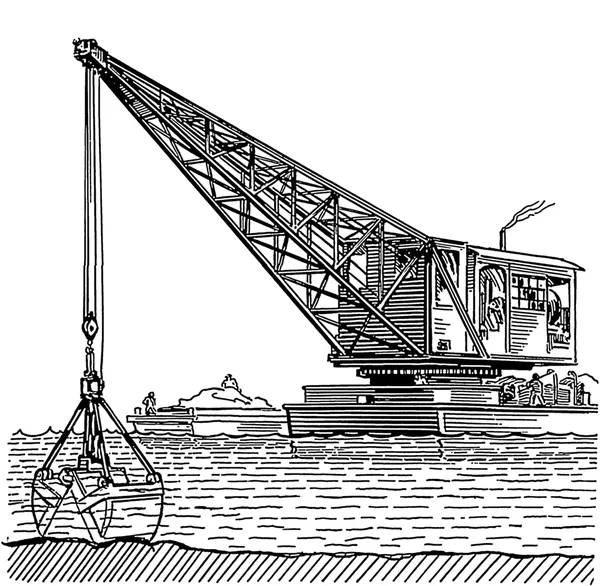
Dredging is the excavation of material from a water environment. Possible reasons for dredging include improving existing water features; reshaping land and water features to alter drainage, navigability, and commercial use; constructing dams, dikes, and other controls for streams and shorelines; and recovering valuable mineral deposits or marine life having commercial value. In all but a few situations the excavation is undertaken by a specialist floating plant, known as a dredger. Usually the main objectives of dredging is to recover material of value, or to create a greater depth of water. Dredging systems can either be shore-based, brought to a location based on barges, or built into purpose-built vessels. Dredging can have environmental impacts: it can disturb marine sediments, creating dredge plumes which can lead to both short- and long-term water pollution, damage or destroy seabed ecosystems, and release legacy human-sourced toxins captured in the sediment. These environmental impacts can reduce marine wildlife populations, contaminate sources of drinking water, and interrupt economic activities such as fishing.
Also on this shelf
G&SWR 11 Class.
Biotechnology industry in China.
See also
Uncatalogued shelfText from Wikipedia; plate via Wikimedia Commons. Text CC BY-SA 4.0; plate freely licensed (see Commons). Source record. Images and catalogue data are reproduced from open-access collections.