Invention and Engineering
History of Europe
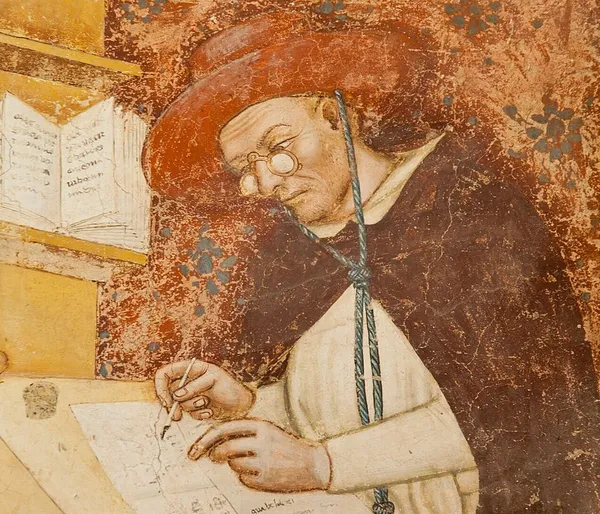
The history of Europe can be traced back to the appearance of the first modern humans identified as ancestors of contemporary Europeans about 37,000 years ago during the Paleolithic. Early European Farmers migrating from Anatolia spread agriculture across the continent during the Neolithic (7000–2000 BC), a period that also included early metallurgy. Starting around 4000 BC, westward migrations of steppe pastoralists spread Indo-European languages. The rise of the city-states of ancient Greece defines the beginning of classical antiquity (c. 800 BC-AD 500). The Hellenistic period (323–30 BC) began with the death of Alexander the Great and ended with the Roman Empire's control of the entire Mediterranean basin. Christianity emerged under Roman rule in the 1st century AD. The Migration Period of the Germanic peoples began in the late 4th century AD. The abdication of the last Western Roman Emperor in 476 traditionally marks the beginning of the Middle Ages (c. 500–1500). While the Eastern Roman ("Byzantine") Empire with its capital in Constantinople continued for another 1000 years, the former lands of the Western Empire fragmented into the barbarian kingdoms. Beginning in the 7th century the Mediterranean became a battleground between the Byzantines and Muslims. The 8th-century Umayyad conquest of Hispania established Al-Andalus. The Rome-based Latin Church proclaimed the King of the Franks, Charlemagne, as "Emperor of the Romans" in the early 9th century and increasingly competitive missionary efforts by the Latin West and Byzantines resulted in the division of the Slavic peoples between Latin and Cyrillic use. Norsemen raided, invaded, and trafficked slaves across Europe during the Viking Age. During the High Middle Ages (c. 1000–1300), the Latin Church split with the Eastern Orthodox Church, was convulsed by reform and entangled in conflict with secular monarchs, called for the Crusades, and provided key support for northern Italian city-states achieving independence from the Holy Roman Empire. The oldest university currently in continuous operation in the world was established in the 12th century amid rapid population and urban growth that continued until the end of the 13th century.
Also on this shelf
Condensing steam locomotive.
CGR 1st Class 2-6-0 1876 Kitson.
See also
Uncatalogued shelfText from Wikipedia; plate via Wikimedia Commons. Text CC BY-SA 4.0; plate freely licensed (see Commons). Source record. Images and catalogue data are reproduced from open-access collections.