Geology and Minerals
Detrital zircon geochronology
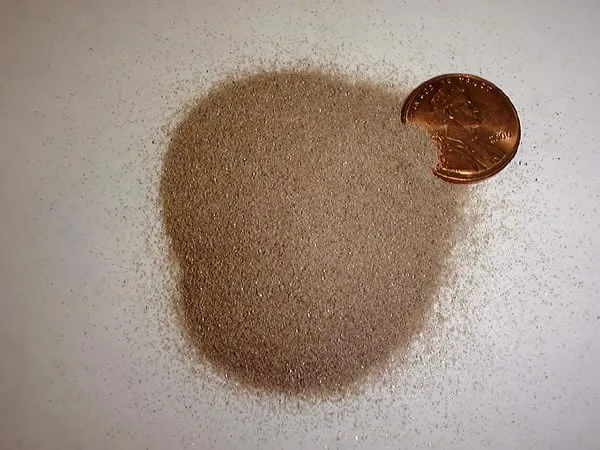
Detrital zircon geochronology is a scientific technique for understanding the age and provenance of sedimentary deposits. To determine the age of zircons deposited within a specific sedimentary unit, mass spectrometry is used to measure the abundance of radioisotopes in the grains, most commonly the uranium–lead ratio. Zircon is a common accessory or trace mineral constituent of most granite and felsic igneous rocks. Due to its hardness, durability and chemical inertness, zircon persists in sedimentary deposits and is a common constituent of most sands. Zircons contain trace amounts of uranium and thorium and can be dated using several modern analytical techniques. Detrital zircon geochronology has become increasingly popular in geological studies from the 2000s mainly due to the advancement in radiometric dating techniques. Detrital zircon age data can be used to constrain the maximum depositional age, determine provenance, and reconstruct the tectonic setting on a regional scale.
Also on this shelf
Chaîne de l'Épine.
Deccan Plateau.
See also
Uncatalogued shelfText from Wikipedia; plate via Wikimedia Commons. Text CC BY-SA 4.0; plate freely licensed (see Commons). Source record. Images and catalogue data are reproduced from open-access collections.