Geology and Minerals
List of Ramsar sites in India
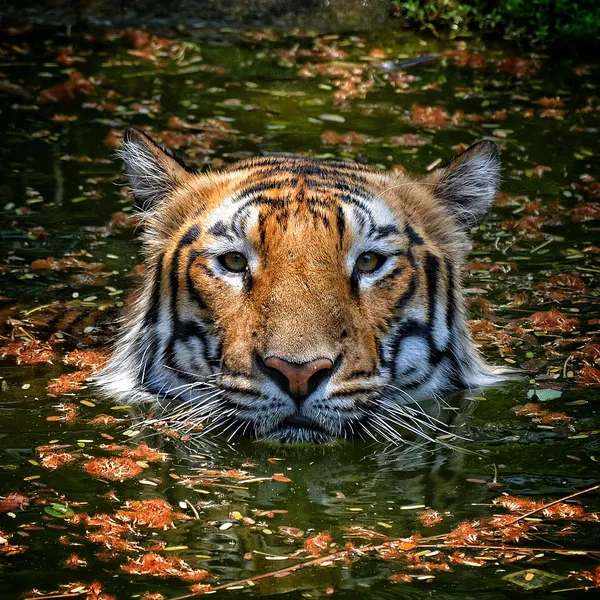
There are 101 Ramsar sites covering 1,387,741 hectares (14,005.12 km2) in India, as of 4 August 2026. These wetlands are deemed of international importance under the Ramsar Convention. For a full list of all Ramsar sites worldwide, see the list of Ramsar wetlands of international importance. Tamil Nadu has the highest number of Ramsar sites in India. It has 20 protected wetlands covering 1008.81 km2. West Bengal protects the largest total area of wetlands, covering 435,500 hectares. India started protecting these sites in 1981. Chilika Lake in Odisha and Keoladeo National Park in Rajasthan were the very first sites to join the list on 1 October 1981. The newest addition is in Arunachal Pradesh with its Glaw Lake, located within the Kamlang Tiger Reserve and Wildlife Sanctuary, marked as the nation's 101st site on 3 August 2026. The Sunderban Wetland in West Bengal is the single largest site in India, covering a huge area of 423,000 hectares. On the other hand, India has two smallest sites that are tied at just 20 hectares each. These are the Renuka Wetland in Himachal Pradesh and the Vembannur Wetland Complex in Tamil Nadu. Two sites in India are explicitly marked with the Montreux Record (MR) abbreviation, signifying areas where ecological changes have occurred, are occurring, or are likely to occur. These are Keoladeo National Park in Rajasthan and Loktak Lake in Manipur. Lonar Lake in Maharashtra is incredibly unique because it was created by a meteorite hitting the Earth. Loktak Lake in Manipur is famous for hosting the world's only floating national park - the Keibul Lamjao National Park, which sits right on top of the water. Vembanad-Kol Wetland in Kerala is celebrated as the longest lake in the entire country. The Nalsarovar Bird Sanctuary in Gujarat is a massive lifesaver for a rare, endangered animal called the Indian wild ass. According to the Wetlands (Conservation and Management) Rules of 2017, the Government of India's definition of wetlands does not include river channels, paddy fields, or other areas utilized for commercial activities. According to WWF-India, wetlands are one of the most threatened of all ecosystems in India. Loss of vegetation, salinization, excessive inundation, water pollution, invasive species, excessive development and road building, have seriously impacted many of the country's wetlands.
Also on this shelf
2023 eruption of Mount Marapi.
Clarendon County, South Carolina.
See also
Uncatalogued shelfText from Wikipedia; plate via Wikimedia Commons. Text CC BY-SA 4.0; plate freely licensed (see Commons). Source record. Images and catalogue data are reproduced from open-access collections.