Geology and Minerals
Environmental impact of fracking
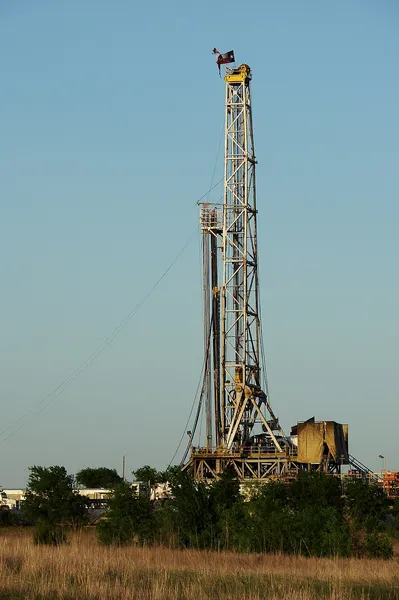
The environmental impact of fracking is related to land use and water consumption, air emissions, including methane emissions, brine and fracturing fluid leakage, water contamination, noise pollution, and health. Water and air pollution are the biggest risks to human health from fracking. Research has determined that fracking negatively affects human health and drives climate change. Fracking fluids include proppants and other substances, which include chemicals known to be toxic, as well as unknown chemicals that may be toxic. In the United States, such additives may be treated as trade secrets by companies who use them. Lack of knowledge about specific chemicals has complicated efforts to develop risk management policies and to study health effects. In other jurisdictions, such as the United Kingdom, these chemicals must be made public and their applications are required to be nonhazardous. Water usage by fracking can be a problem in areas that experience water shortage. Surface water may be contaminated through spillage and improperly built and maintained waste pits, in jurisdictions where these are permitted. Further, ground water can be contaminated if fracturing fluids and formation fluids are able to escape during fracking. However, the possibility of groundwater contamination from the fracturing fluid upward migration is negligible, even in a long-term period. Produced water, the water that returns to the surface after fracking, is managed by underground injection, municipal and commercial wastewater treatment, and reuse in future wells. There is potential for methane to leak into ground water and the air, though escape of methane is a bigger problem in older wells than in those built under more recent legislation. Fracking causes induced seismicity called microseismic events or microearthquakes. The magnitude of these events is too small to be detected at the surface, being of magnitude M-3 to M-1 usually. However, fluid disposal wells (which are often used in the USA to dispose of polluted waste from several industries) have been responsible for earthquakes up to 5.6M in Oklahoma and other states. Governments worldwide are developing regulatory frameworks to assess and manage environmental and associated health risks, working under pressure from industry on the one hand, and from anti-fracking groups on the other.
Also on this shelf
Bierzo (DO).
Belknap Mountain.
See also
Uncatalogued shelfText from Wikipedia; plate via Wikimedia Commons. Text CC BY-SA 4.0; plate freely licensed (see Commons). Source record. Images and catalogue data are reproduced from open-access collections.