Geology and Minerals
Gros-plant-du-pays-nantais
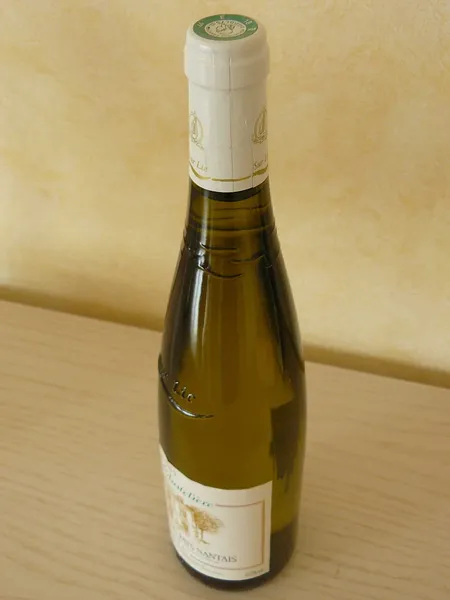
The gros-plant-du-pays-nantais (also known by the simplified name gros-plant) is an appellation d'origine contrôlée (AOC) wine produced mainly in the Loire-Atlantique department (Loire Valley vineyards). It is a dry white wine made mainly from the folle-blanche grape variety. In 2008, it covered a surface area of 1,372 hectares in the Pays de la Loire region, mainly south of Nantes, in the Loire-Atlantique département, and extending into the Maine-et-Loire and Vendée départements. In 2010, with 79,380 hectolitres, it was France's leading premium wine by volume. Having originally had an appellation d'origine vin de qualité supérieure (VDQS), an application to upgrade to an appellation d'origine contrôlée (AOC) was filed in July 2009, and was accepted in February 2011. It has been applicable since March 2012. Like its neighbor Muscadet, Gros-Plant-du-Pays-Nantais can be aged on lees. Produced for a longer period than the latter, the wine is also drier, with a certain freshness (acidity); it is characterized by a pale color with a green sheen, and gives off predominantly floral aromas (white flowers, hawthorn), citrus (lemon) and even exotic fruit, with occasional mineral notes. It is particularly well known for accompanying seafood.
Also on this shelf
El Chichón.
Mount Dana (Alaska).
See also
Uncatalogued shelfText from Wikipedia; plate via Wikimedia Commons. Text CC BY-SA 4.0; plate freely licensed (see Commons). Source record. Images and catalogue data are reproduced from open-access collections.