Geology and Minerals
Bituminous coal
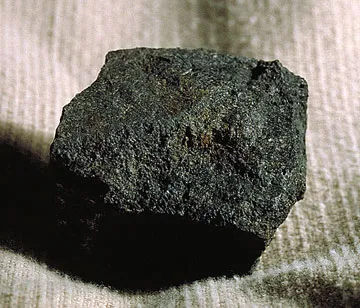
Bituminous coal, or black coal, is a type of coal containing a tar-like substance called bitumen or asphalt. Its coloration can be black or sometimes dark brown; often there are well-defined bands of bright and dull material within the seams. It is typically hard but friable. Its quality is ranked higher than lignite and sub-bituminous coal, but lesser than anthracite. It is the most abundant rank of coal, with deposits found around the world, often in rocks of Carboniferous age. Bituminous coal is formed from sub-bituminous coal that is buried deeply enough to be heated to 85 °C (185 °F) or higher. Bituminous coal is used primarily for electrical power generation and in the steel industry. Bituminous coal suitable for smelting iron (coking coal or metallurgical coal) must be low in sulfur and phosphorus. It commands a higher price than other grades of bituminous coal (thermal coal) used for heating and power generation. Within the coal mining industry, this type of coal is known for releasing the largest amounts of firedamp, a dangerous mixture of gases that can cause underground explosions. Extraction of bituminous coal demands the highest safety procedures involving attentive gas monitoring, good ventilation and vigilant site management.
Also on this shelf
Fractional crystallization (geology).
2017 in paleontology.
See also
Uncatalogued shelfText from Wikipedia; plate via Wikimedia Commons. Text CC BY-SA 4.0; plate freely licensed (see Commons). Source record. Images and catalogue data are reproduced from open-access collections.