Geology and Minerals
Calcium carbonate
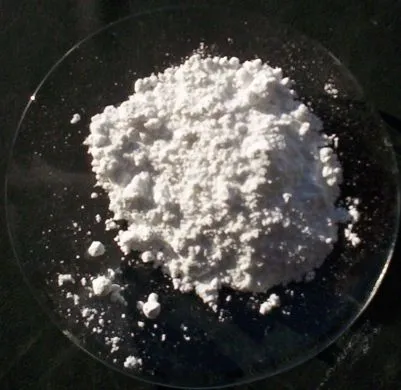
Calcium carbonate is a chemical compound with the chemical formula CaCO3. It is a common substance found in rocks as the minerals calcite and aragonite, most notably in chalk and limestone, eggshells, gastropod shells, shellfish skeletons and pearls. Materials containing much calcium carbonate or resembling it are described as calcareous. Naturally occurring calcium carbonate is important part of the carbon cycle, sequestering large amounts of carbon in geological formations. When acidic rain or water enters a natural deposit of calcium carbonate, it can lead to cave formation with stalactite and stalagmite. Calcium carbonate is the active ingredient in agricultural lime, an important ingredient for correcting soil chemistry. Limescale is calcium carbonate produced when calcium ions in hard water react with carbonate ions. Calcium carbonate has medical use as a calcium supplement or as an antacid, but excessive consumption can be hazardous and cause hypercalcemia and digestive issues. Other major uses include as a ingredient in construction materials, an ingredient in smelting iron and as a filler in paper or plastic.
Also on this shelf
Andesite.
Calthemite.
See also
Uncatalogued shelfText from Wikipedia; plate via Wikimedia Commons. Text CC BY-SA 4.0; plate freely licensed (see Commons). Source record. Images and catalogue data are reproduced from open-access collections.