Geology and Minerals
Geology of the Western Carpathians
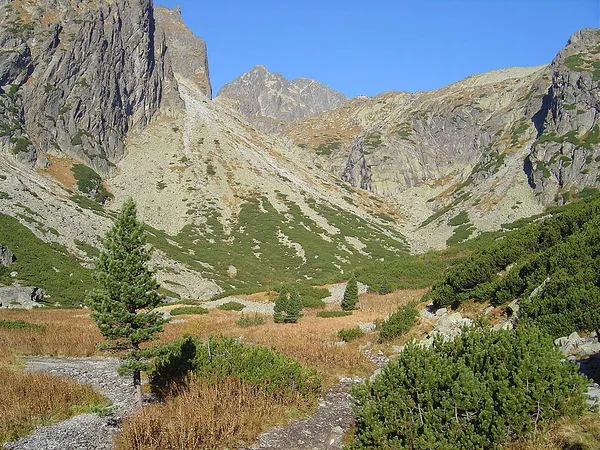
The Western Carpathians are an arc-shaped mountain range, the northern branch of the Alpine-Himalayan fold and thrust system called the Alpide belt, which evolved during the Alpine orogeny. In particular, their pre-Cenozoic evolution is very similar to that of the Eastern Alps, and they constitute a transition between the Eastern Alps and the Eastern Carpathians. The geological evolution of individual parts of the chain is complex, a result of tectonic processes like folding, thrusting and the formation of sedimentary basins of various types during the Mesozoic and Cenozoic. These processes sometimes affected not only the sedimentary fill of the basins, but also, in some cases, the former basement. Many aspects of the geological structure of the Western Carpathians have not been completely studied and are subject to ongoing research and debate. The appropriate classification of a number of specific tectonic units is still not clear.
Also on this shelf
Coquina.
Aragua.
See also
Uncatalogued shelfText from Wikipedia; plate via Wikimedia Commons. Text CC BY-SA 4.0; plate freely licensed (see Commons). Source record. Images and catalogue data are reproduced from open-access collections.