Botany
Apomixis
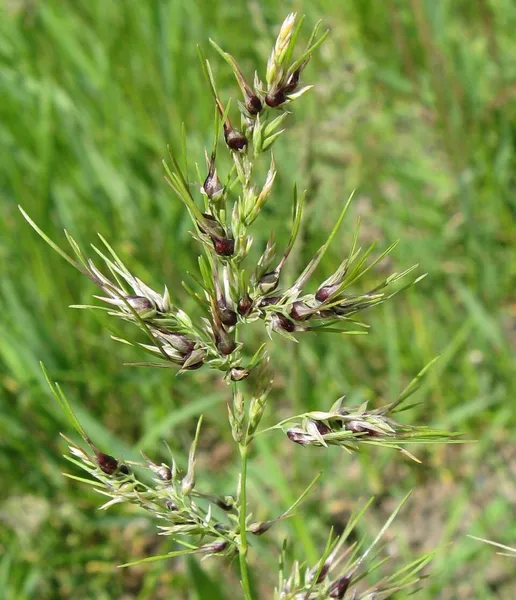
In botany, apomixis is asexual development of seed or embryo without fertilization. Apomictically produced offspring are genetically identical to the parent plant, except in nonrecurrent apomixis. Its etymology is Greek for ἀπο- (apo-) "away from" and μίξις (míxis) "mixing". Normal asexual reproduction of plants, such as propagation from cuttings or leaves, has never been considered to be apomixis. In contrast to parthenocarpy, which involves seedless fruit formation without fertilization, apomictic fruits have viable seeds containing a proper embryo, with asexual origin. In flowering plants, the term "apomixis" is used in a restricted sense to mean agamospermy, i.e. clonal reproduction through seeds. Although agamospermy could theoretically occur in gymnosperms, it appears to be absent in that group. Apogamy is a related term with a distinct meaning in plant reproduction. In plants with independent gametophyte generations, particularly ferns, apogamy refers to the development of a sporophyte directly from a cell or cells of the gametophyte without fertilization. This process is described mainly in lower plants, especially ferns, but shares certain features with apomixis in angiosperms. In contrast, apomixis in flowering plants generally refers to seed formation without fertilization (agamospermy), and the term is not typically used interchangeably with apogamy in modern usage.
Also on this shelf
Acacia leiocalyx.
Erigeron formosissimus.
See also
Uncatalogued shelfText from Wikipedia; plate via Wikimedia Commons. Text CC BY-SA 4.0; plate freely licensed (see Commons). Source record. Images and catalogue data are reproduced from open-access collections.