Astronomy and Space
20th century
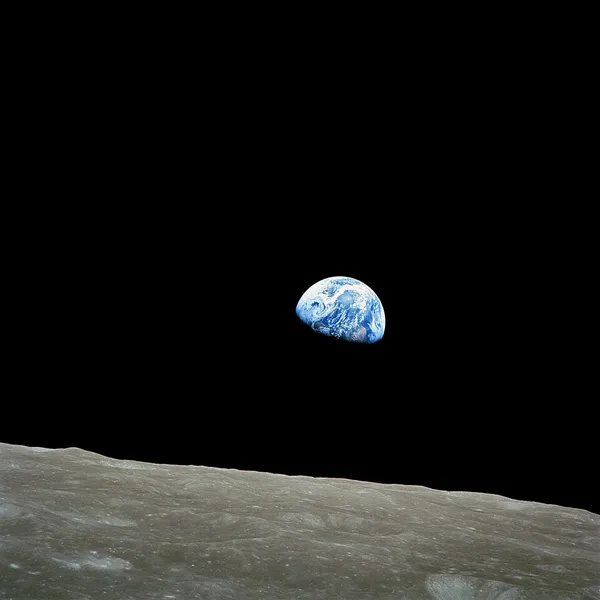
The 20th century began on 1 January 1901, and ended on 31 December 2000. It was the 10th and last century in the 2nd millennium and was marked by new models of scientific understanding, unprecedented scopes of warfare, new modes of communication that would operate at nearly instant speeds, and new forms of art and entertainment. Population growth was also unprecedented, as the century started with around 1.6 billion people, and ended with around 6.2 billion. The 20th century was dominated by significant geopolitical events that reshaped the political and social structure of the globe: World War I (including the Spanish flu pandemic), World War II and the Cold War. Unprecedented advances in science and technology defined the century, including the advent of nuclear weapons and nuclear power, space exploration, the shift from analog to digital computing and the continuing advancement of transportation, including powered flight and the car. The Earth's sixth mass extinction event, the Holocene extinction, continued, and human conservation efforts increased. Major themes of the century included decolonization, nationalism, globalization and new forms of intergovernmental organizations. Democracy spread, and women gained the right to vote in many countries in the world. Cultural homogenization began through developments in emerging transportation and information and communications technology, with popular music and other influences of Western culture, international corporations, and what is arguably a truly global economy by the end of the 20th century. Poverty was reduced and the century saw rising standards of living, world population growth, awareness of environmental degradation and ecological extinction. Cars, airplanes, and home appliances became common, and video and audio recording saw mass adoption. These developments were made possible by the exploitation of fossil fuel resources, which offered energy in an easily portable form, but also caused concern about pollution and long-term impact on the environment. Humans started to explore space, taking their first footsteps on the Moon. Great advances in electricity generation and telecommunications allowed for near-instantaneous worldwide communication, ultimately leading to the Internet.
Also on this shelf
2011 in Germany.
23 Aquilae.
See also
Uncatalogued shelfText from Wikipedia; plate via Wikimedia Commons. Text CC BY-SA 4.0; plate freely licensed (see Commons). Source record. Images and catalogue data are reproduced from open-access collections.