Astronomy and Space
Bioastronautics
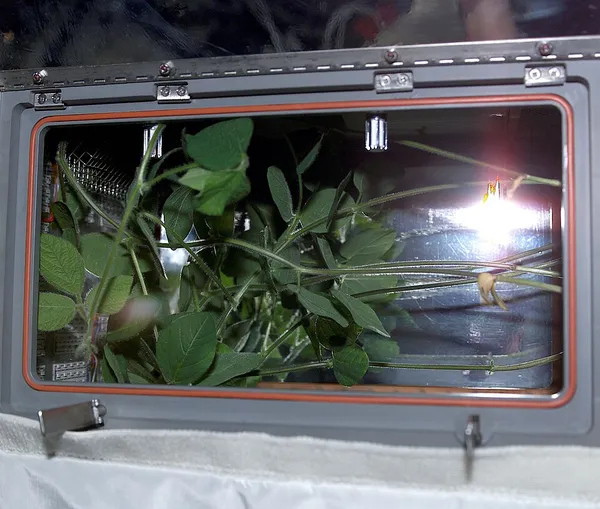
Bioastronautics is the scientific study of life in outer space, and an interdisciplinary field between biology and astronautics. It is concerned with biological and medical challenges associated with space environment, for both humans and other living organisms, and is involved in the design of space vehicle payloads, space habitats, and life-support systems. Space medicine is a related field of study concerning specifically the medical aspects of human biology in space. Bioastronautics includes many similarities with its sister discipline astronautical hygiene; they both study the hazards that humans may encounter during a space flight. However, astronautical hygiene differs in many respects e.g. in this discipline, once a hazard is identified, the exposure risks are then assessed and the most effective measures determined to prevent or control exposure and thereby protect the health of the astronaut. Astronautical hygiene is an applied scientific discipline that requires knowledge and experience of many fields including bioastronautics, space medicine, ergonomics etc. The skills of astronautical hygiene are already being applied for example, to characterise Moon dust and design the measures to mitigate exposure during lunar exploration, to develop accurate chemical monitoring techniques and use the results in the setting SMACs. Of particular interest from a biological perspective are the effects of reduced gravitational force felt by inhabitants of spacecraft. Often referred to as "microgravity", the lack of sedimentation, buoyancy, or convective flows in fluids results in a more quiescent cellular and intercellular environment primarily driven by chemical gradients. Certain functions of organisms are mediated by gravity, such as gravitropism in plant roots and negative gravitropism in plant stems, and without this stimulus growth patterns of organisms onboard spacecraft often diverge from their terrestrial counterparts. Additionally, metabolic energy normally expended in overcoming the force of gravity remains available for other functions. This may take the form of accelerated growth in organisms as diverse as worms like C. elegans to miniature parasitoid wasps such as Spangia endius.
Also on this shelf
Hohmann transfer orbit.
Chi Draconis.
See also
Uncatalogued shelfText from Wikipedia; plate via Wikimedia Commons. Text CC BY-SA 4.0; plate freely licensed (see Commons). Source record. Images and catalogue data are reproduced from open-access collections.