Astronomy and Space
Crew Return Vehicle
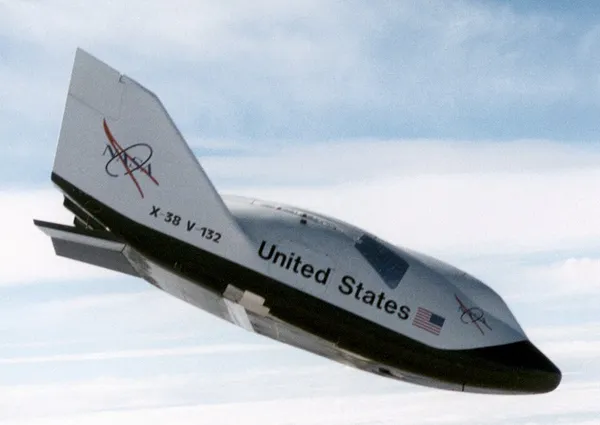
The Crew Return Vehicle (CRV), sometimes referred to as the Assured Crew Return Vehicle (ACRV), was a proposed dedicated lifeboat or escape module for the International Space Station (ISS). A number of different vehicles and designs were considered over two decades – with several flying as developmental test prototypes – but none became operational. Since the arrival of the first permanent crew to the ISS in 2000, the emergency return capability has been fulfilled by Soyuz spacecraft and, more recently, SpaceX's Crew Dragon – each rotated every 6 months. In the original space station design, emergencies were intended to be dealt with by having a "safe area" on the station that the crew could evacuate to, pending a rescue from a U.S. Space Shuttle. However, the 1986 Space Shuttle Challenger disaster and the subsequent grounding of the shuttle fleet caused station planners to rethink this concept. Planners foresaw the need for a CRV to address three specific scenarios: Crew return in case of unavailability of a Space Shuttle or Soyuz capsule; Prompt escape from a major time-critical space station emergency; Full or partial crew return in case of a medical emergency.
Also on this shelf
CAPSTONE.
Interstellar Probe (spacecraft).
See also
Uncatalogued shelfText from Wikipedia; plate via Wikimedia Commons. Text CC BY-SA 4.0; plate freely licensed (see Commons). Source record. Images and catalogue data are reproduced from open-access collections.