Astronomy and Space
2025 in spaceflight
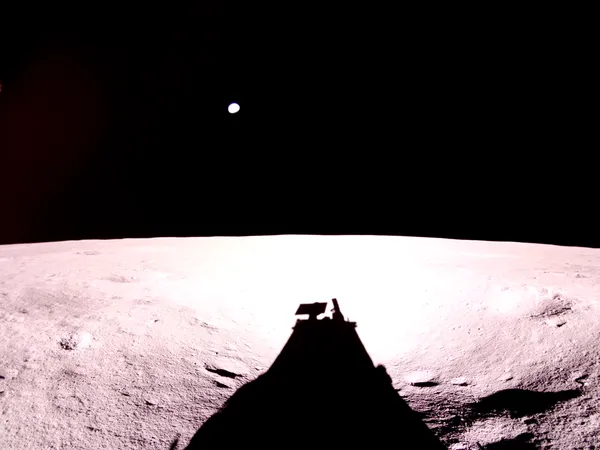
Spaceflight in 2025 followed the 2020s trend of record-breaking numbers of orbital launches with 317 successes and new developments in low-Earth orbit human spaceflight (Fram2, Cygnus XL, HTV-X). Spaceflight in 2025 included numerous private companies' launches using reusable launch vehicles (Falcon 9 and for the first time also New Glenn). Three private robotic landers attempted landing on the Moon, resulting in one full (Blue Ghost M1) and one partial success (IM-2). Among the year's highlights in Solar system science were launches and innovative operations of seven heliophysics and space weather missions by NASA, NOAA, and ESA (PUNCH, TRACERS, IMAP, SWFO-L1, Carruthers, PROBA-3, and Solar Orbiter). In 2025, humanity got the first close-up view of one new Solar system object, the main belt asteroid Donaldjohanson visited by the NASA probe Lucy. CNSA launched the Tianwen-2 asteroid sample return mission and NASA launched the twin ESCAPADE spacecraft to study the atmosphere of Mars.
Also on this shelf
AR Cephei.
Epsilon Cancri.
See also
Uncatalogued shelfText from Wikipedia; plate via Wikimedia Commons. Text CC BY-SA 4.0; plate freely licensed (see Commons). Source record. Images and catalogue data are reproduced from open-access collections.