Asian Art
History of Iloilo City
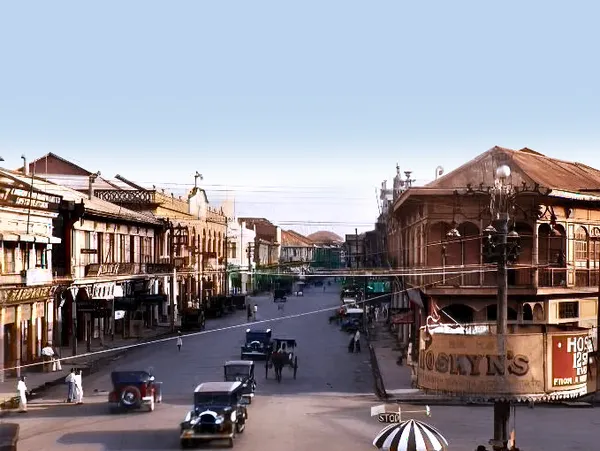
Iloilo City, the regional center of Western Visayas, is one of the oldest cities in the Philippines and a major economic hub in the Visayas region. The history of Iloilo City traces its beginnings to the 14th century, when records from the Yuan dynasty mention a bustling trade outpost in the area. During the Spanish colonial period, the town developed into a prosperous port and an important administrative center. Iloilo was formally granted city status by Queen Regent Maria Christina through a royal decree in 1889, which also bestowed upon it the honorific title La Muy Leal y Noble Ciudad ("The Most Loyal and Noble City"). By the late 19th century, Iloilo had become the second most important city in the Philippines, next to Manila. Following the fall of Manila to American forces in 1898, Iloilo briefly served as the seat of the Spanish colonial government in the Philippines, making it the last capital of the Spanish East Indies. Under American rule, the city continued to flourish as a center of commerce, education, and culture in the region. During World War II, Iloilo was occupied by Japanese forces from 1942 until its liberation in 1945. In the immediate postwar period, the city experienced a modest economic slowdown as it rebuilt from wartime destruction. In the early 21st century, Iloilo City experienced significant economic growth, becoming one of the fastest-growing cities in the Philippines. Today, it is known for its well-preserved heritage structures, vibrant economy, culinary traditions, and cultural events such as the Dinagyang Festival, one of the largest and most popular festivals in the Philippines. In 2023, Iloilo City was designated as a UNESCO Creative City of Gastronomy.
Also on this shelf
600.
China.
See also
Uncatalogued shelfText from Wikipedia; plate via Wikimedia Commons. Text CC BY-SA 4.0; plate freely licensed (see Commons). Source record. Images and catalogue data are reproduced from open-access collections.