Asian Art
Byzantine literature
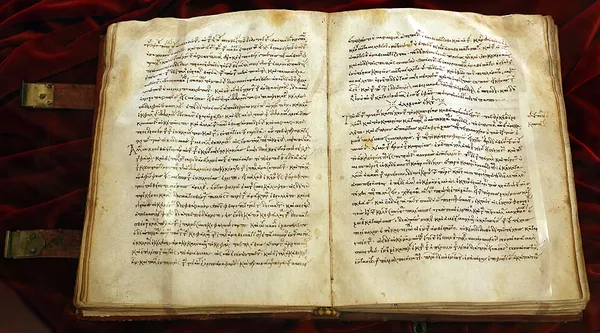
Byzantine literature is the Greek literature of the Middle Ages, whether written in the Byzantine Empire or outside its borders. In its early period, it was a form of late antique literature, and later, it evolved into a category of medieval literature. It was marked by a linguistic diglossy; two distinct forms of Byzantine Greek were used, a scholarly dialect based on Attic Greek, and a vernacular based on Koine Greek. Most scholars consider 'literature' to include all medieval Greek texts, but some define it with specific constraints. Byzantine literature is the successor to Ancient Greek literature and forms the basis of Modern Greek literature, although it overlaps with both periods. The tradition saw the competing influences of Hellenism, Christianity, and earlier in the empire's history, Paganism. There was a general flourishing of gnomai, hagiography, sermons, and particularly historiography, which became less individual-focused. Poetry was often limited to musical hymnal forms, or the more niche epigram tradition, while ancient dramas and epics became obsolete. The influential romantic epic Digenes Akritas is a major exception. Until recent scholarship from Alexander Kazhdan, Simon Franklin and others, Byzantine literature was held in low regard by academia. It was previously considered either an inferior variant of Ancient Greek or biblical literature, or only important for its contributions to Modern Greek literature.
Also on this shelf
Foreign relations of China.
List of National Treasures of Japan (archaeological materials).
See also
Uncatalogued shelfText from Wikipedia; plate via Wikimedia Commons. Text CC BY-SA 4.0; plate freely licensed (see Commons). Source record. Images and catalogue data are reproduced from open-access collections.