Asian Art
Cave temples in Asia
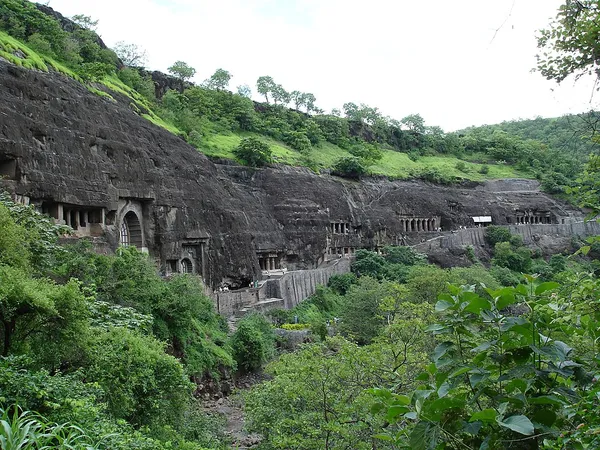
Cave temples are subterranean sacred buildings carved into the rock or created in a natural cave. Cave temples and monolithic rock temples carved out of the stone are a form of early natural architecture and rock construction, a building technique in solid rock closely related to sculpture. The most extensive artificially created cave temple complexes (subterranea) originated in India, where about 1200 complexes are documented, and in the neighboring regions of Asia. The basic form of cave temples in Asia was developed from the second century BCE in western India from the prefiguration of the mountain hermitage of the world-weary Śramaṇa Movement (Sanskrit, m., श्रमण, śramaṇa, Pali, m., samaṇa, mendicant monk), a detached hut or cave used as a dwelling for ascetics. Central design principles are probably derived from the model of wooden open-air buildings that no longer exist today. Along long-distance trade routes, cave temples spread from South Asia to Central and East Asia. In Southeast Asia, natural caves were predominantly used as underground sanctuaries instead of artificial caves. The UNESCO World Heritage List includes numerous cave temples in Asia, including Ajanta, Elephanta, Ellora and Mamallapuram in India, the Mogao, Longmen and Yungang Grottoes in China, Dambulla in Sri Lanka and Seokguram in South Korea. In addition to the Asian lines of development, cave temples and other, sometimes significantly older, rock structures also appear in other ancient cultures, such as Egypt, Assyria, the Hittites, Lycia, and the Nabataeans.
Also on this shelf
2,500-year celebration of the Persian Empire.
Advertising.
See also
Uncatalogued shelfText from Wikipedia; plate via Wikimedia Commons. Text CC BY-SA 4.0; plate freely licensed (see Commons). Source record. Images and catalogue data are reproduced from open-access collections.