Asian Art
Bank of England
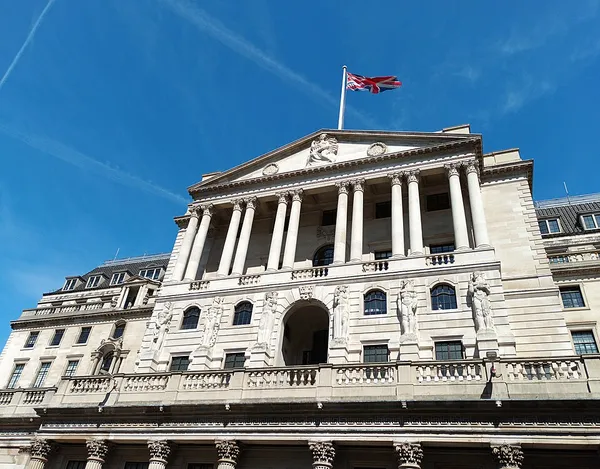
The Bank of England (BoE) is the central bank of the United Kingdom and the model on which most modern central banks have been based. Established in 1694 to act as the English Government's banker and debt manager, and still one of the bankers for the government of the United Kingdom, it is the world's second oldest central bank, after Sweden's (1668). It is considered to be one of the world's "Big Four" central banks. The bank was privately owned by stockholders from its chartering in 1694 until its nationalisation in 1946 by the Attlee ministry. In 1998 it became an independent public organisation, wholly owned by the Treasury Solicitor on behalf of the government, with a mandate to support the economic policies of the government of the day, but independence in maintaining price stability. In the 21st century the bank took on increased responsibility for maintaining and monitoring financial stability in the UK, and it increasingly functions as a statutory regulator. The bank's headquarters have been in London's main financial district, the City of London, since 1694, and on Threadneedle Street since 1734. It is sometimes known as "The Old Lady of Threadneedle Street", a name taken from a satirical cartoon by James Gillray in 1797. The road junction outside is known as Bank Junction. The bank is custodian to the official gold reserves of the United Kingdom.
Also on this shelf
History of Sarawak.
Cypriot nationality law.
See also
Uncatalogued shelfText from Wikipedia; plate via Wikimedia Commons. Text CC BY-SA 4.0; plate freely licensed (see Commons). Source record. Images and catalogue data are reproduced from open-access collections.