Asian Art
Human food
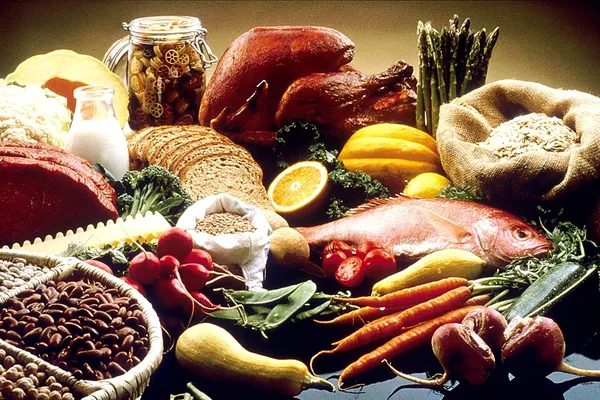
Human food is food which is fit for human consumption, and which humans willingly eat. Food is a basic necessity of life, and humans typically seek food out as an instinctual response to hunger; however, not all things that are edible constitute as human food. Humans eat various substances for energy, enjoyment and nutritional support. These are usually of plant, animal, or fungal origin, and contain essential nutrients, such as carbohydrates, fats, proteins, vitamins, and minerals. Humans are highly adaptable omnivores, and have adapted to obtain food in many different ecosystems. Historically, humans secured food through two main methods: hunting and gathering and agriculture. As agricultural technologies improved, humans settled into agriculture lifestyles with diets shaped by the agriculture opportunities in their region of the world. Geographic and cultural differences have led to the creation of numerous cuisines and culinary arts, including a wide array of ingredients, herbs, spices, techniques, and dishes. As cultures have mixed through forces like international trade and globalization, ingredients have become more widely available beyond their geographic and cultural origins, creating a cosmopolitan exchange of different food traditions and practices. Today, the majority of the food energy required by the ever-increasing population of the world is supplied by the industrial food industry, which produces food with intensive agriculture and distributes it through complex food processing and food distribution systems. This system of conventional agriculture relies heavily on fossil fuels, which means that the food and agricultural system is one of the major contributors to climate change, accountable for as much as 37% of the total greenhouse gas emissions. Addressing the carbon intensity of the food system and food waste are important mitigation measures in the global response to climate change. The food system has significant impacts on a wide range of other social and political issues, including: sustainability, biological diversity, economics, population growth, water supply, and access to food.
Also on this shelf
Chŏng Yagyong.
Aazhimala Shiva Temple.
See also
Uncatalogued shelfText from Wikipedia; plate via Wikimedia Commons. Text CC BY-SA 4.0; plate freely licensed (see Commons). Source record. Images and catalogue data are reproduced from open-access collections.